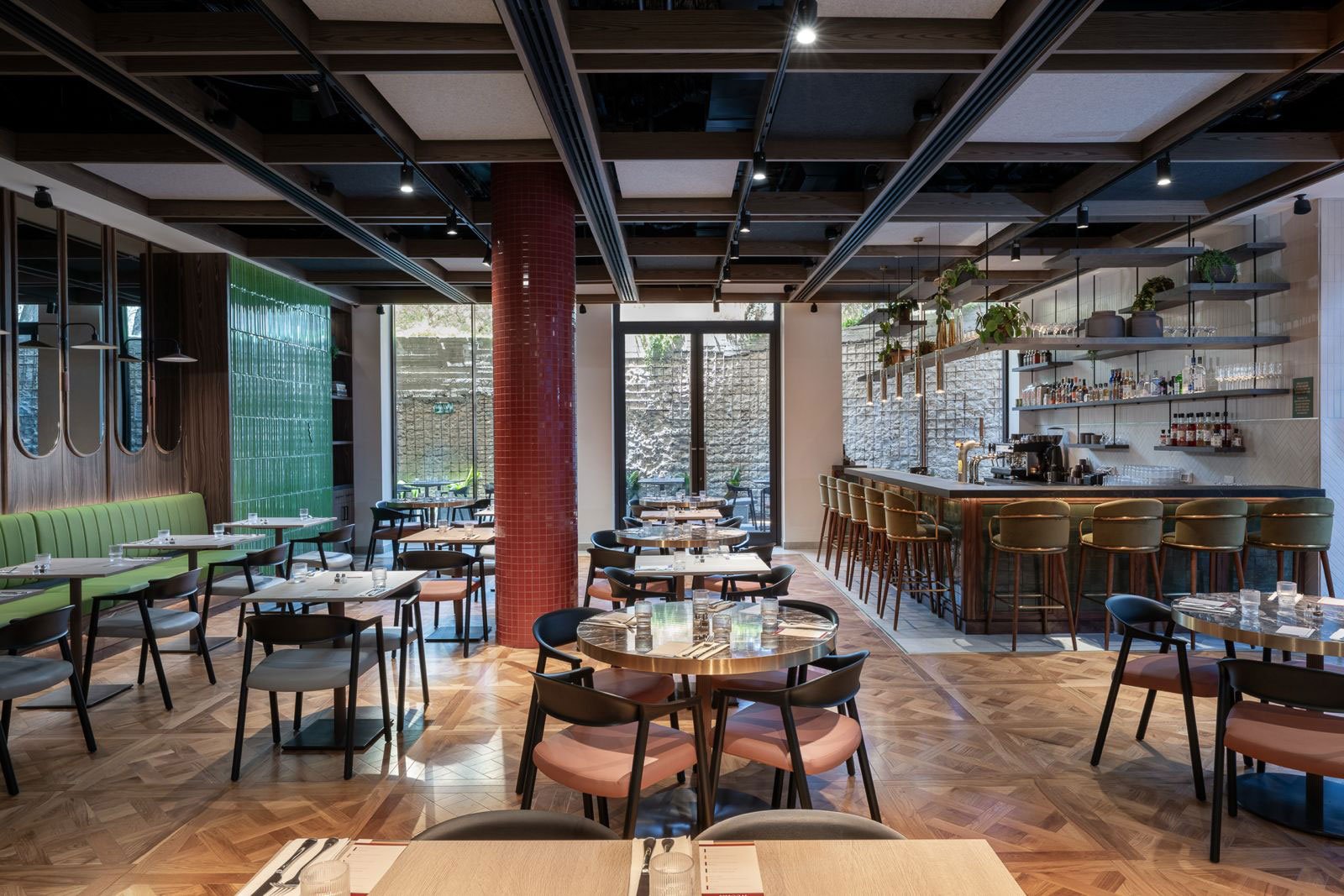
A Landmark of Luxury on Tel Aviv’s Sunlit Mediterranean Shore
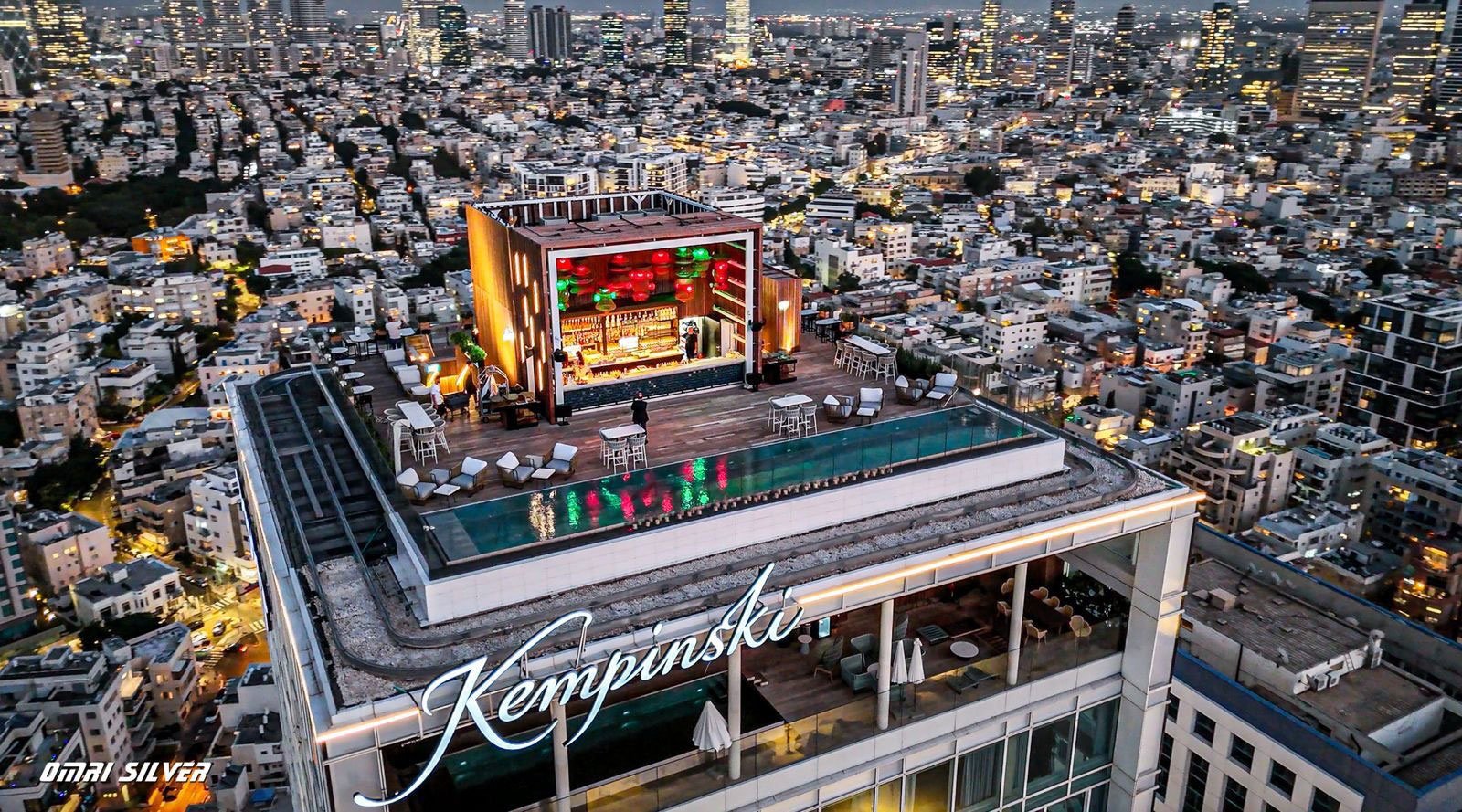
Overlooking Tel Aviv’s gilded coastline and steps away from the UNESCO-listed White City, The David Kempinski celebrates the city’s Bauhaus legacy through a lens of contemporary luxury. Spanning concept design to execution, the project features 250 guestrooms, including refined public spaces, setting a new benchmark for hospitality in Israel.
Client
The David Kempinski / Nahal Group
Location & Year
Tel Aviv, 2022
Architect
Feigin Architects
Scope
Concept to Construction: 250 Guestrooms & Public Spaces
The Brief
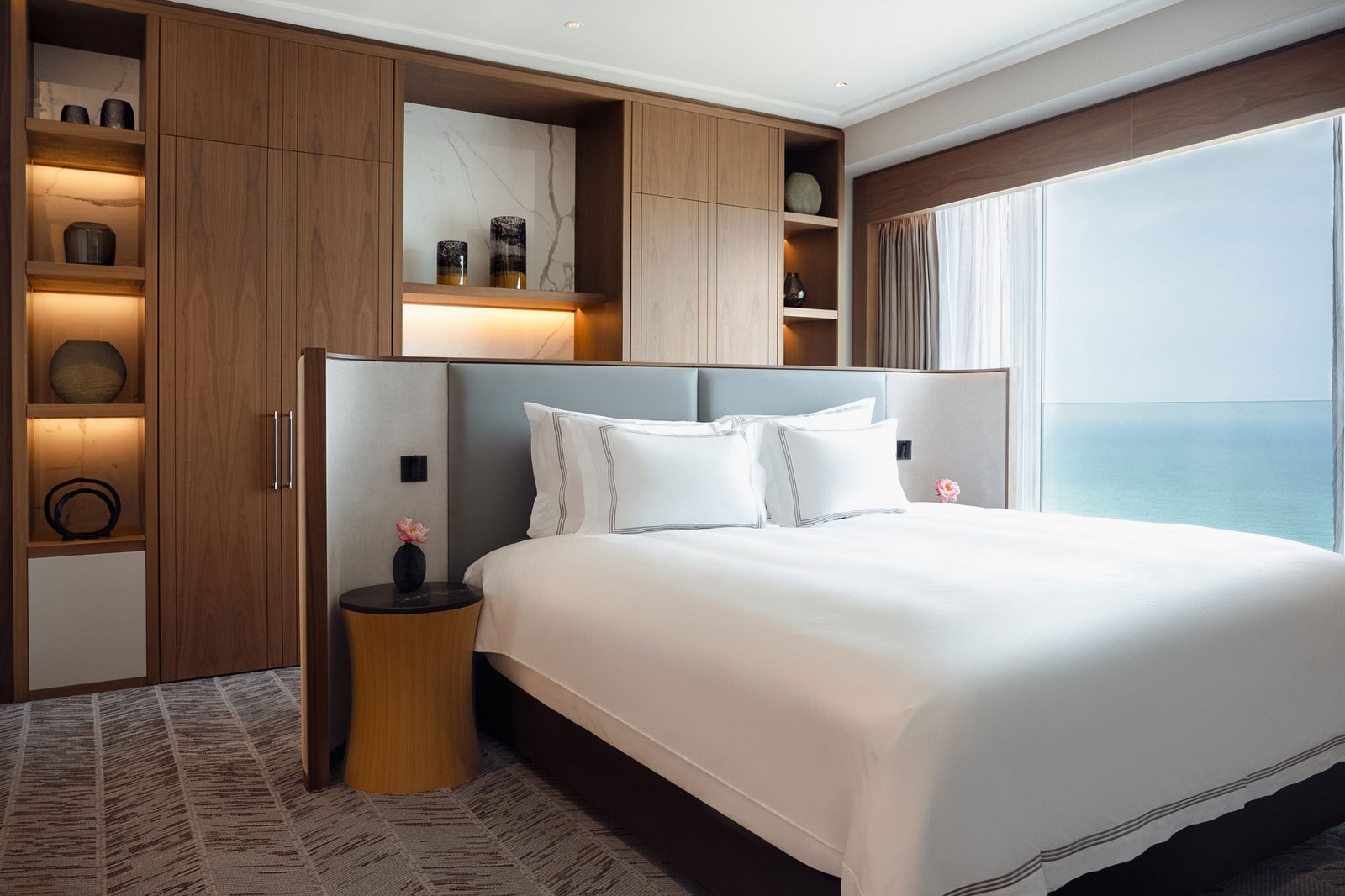
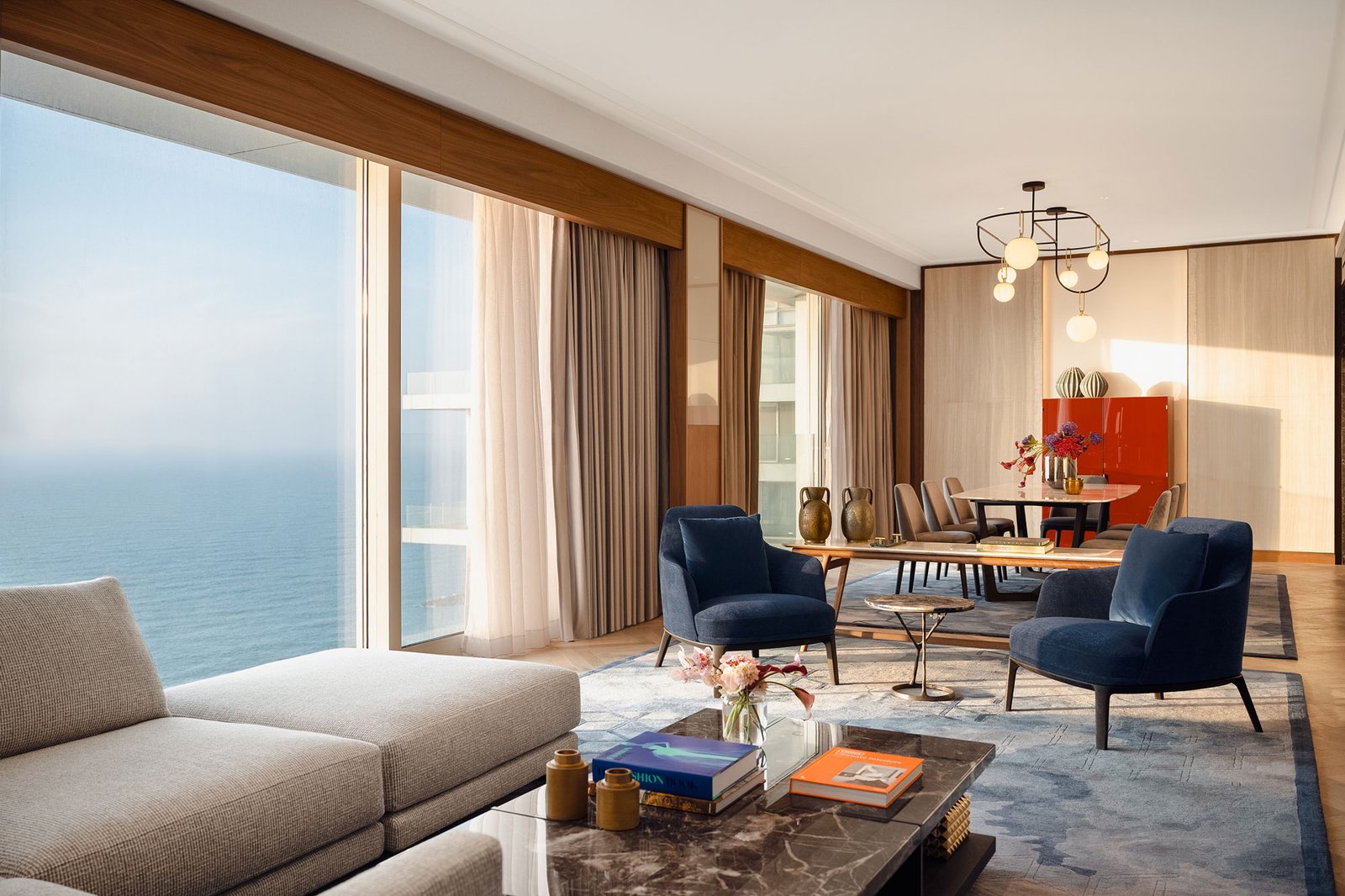
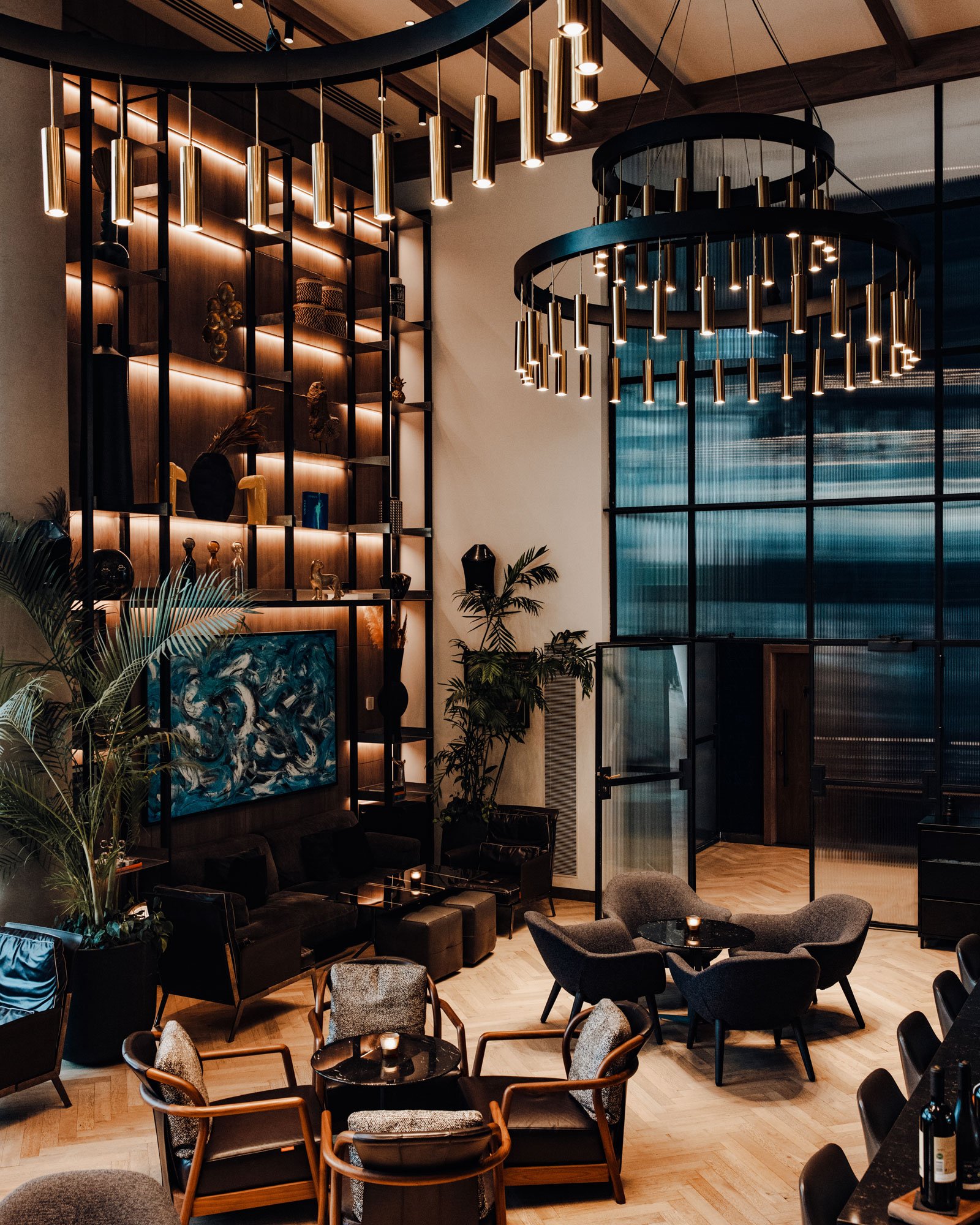
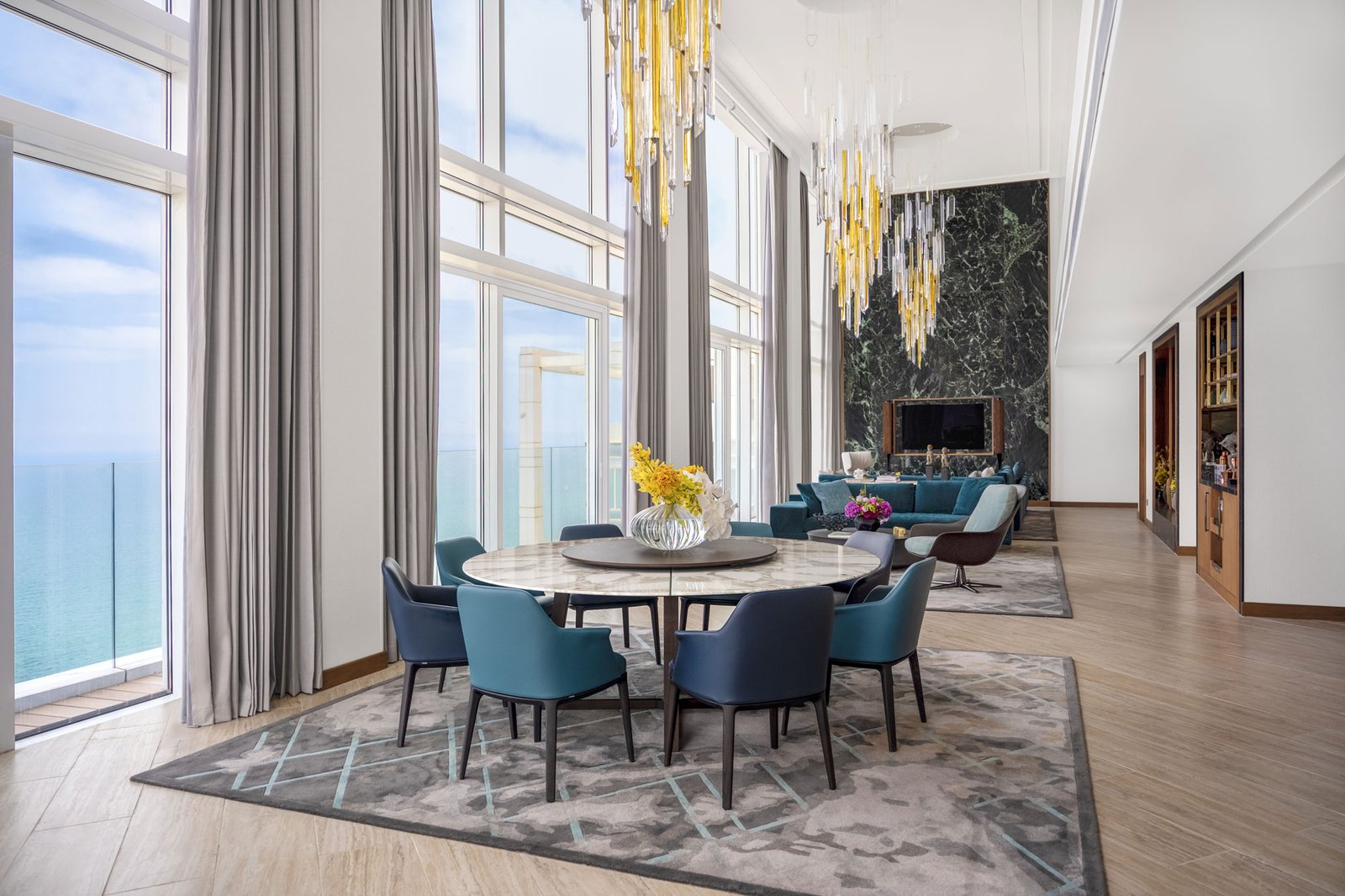
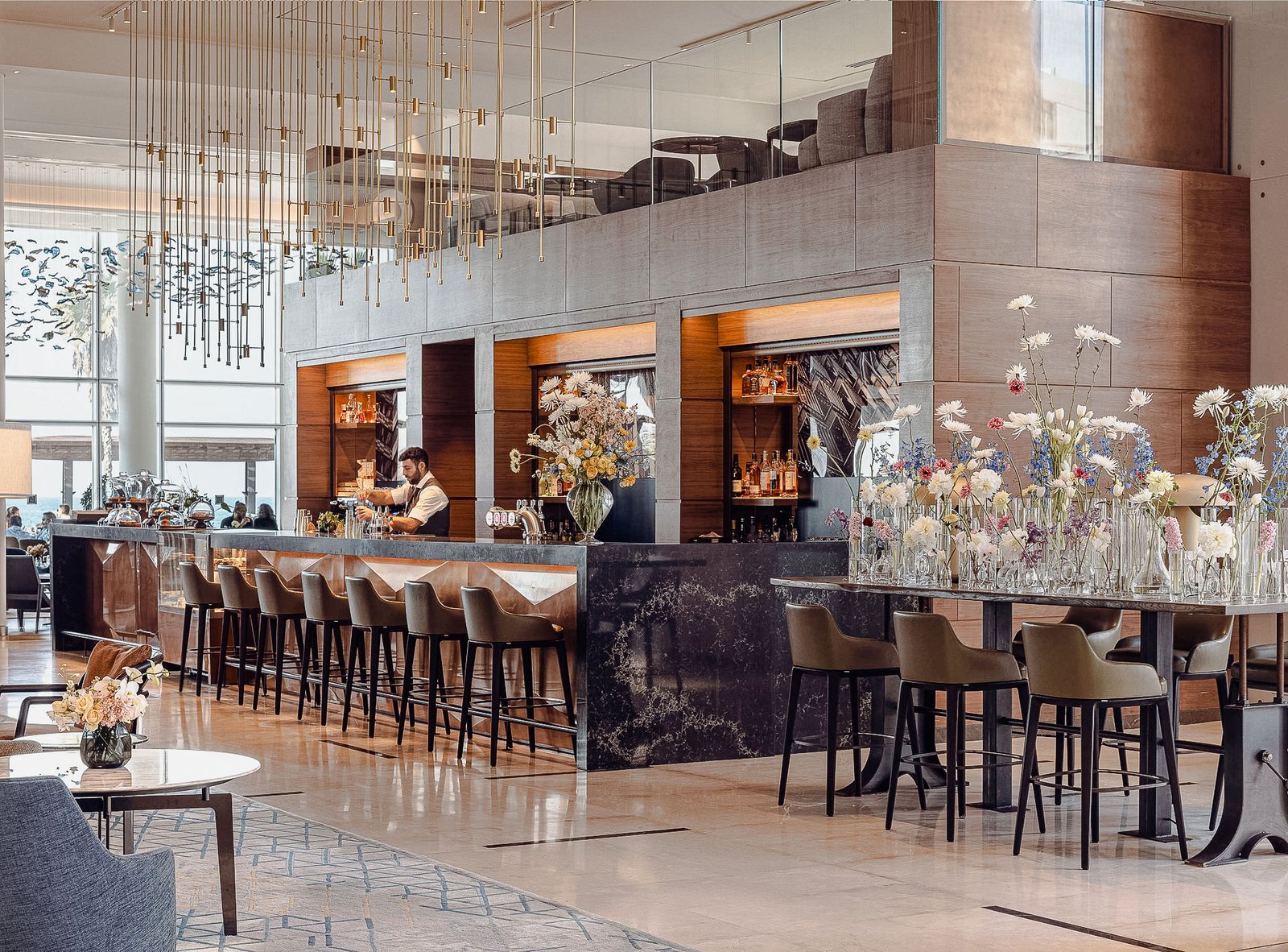
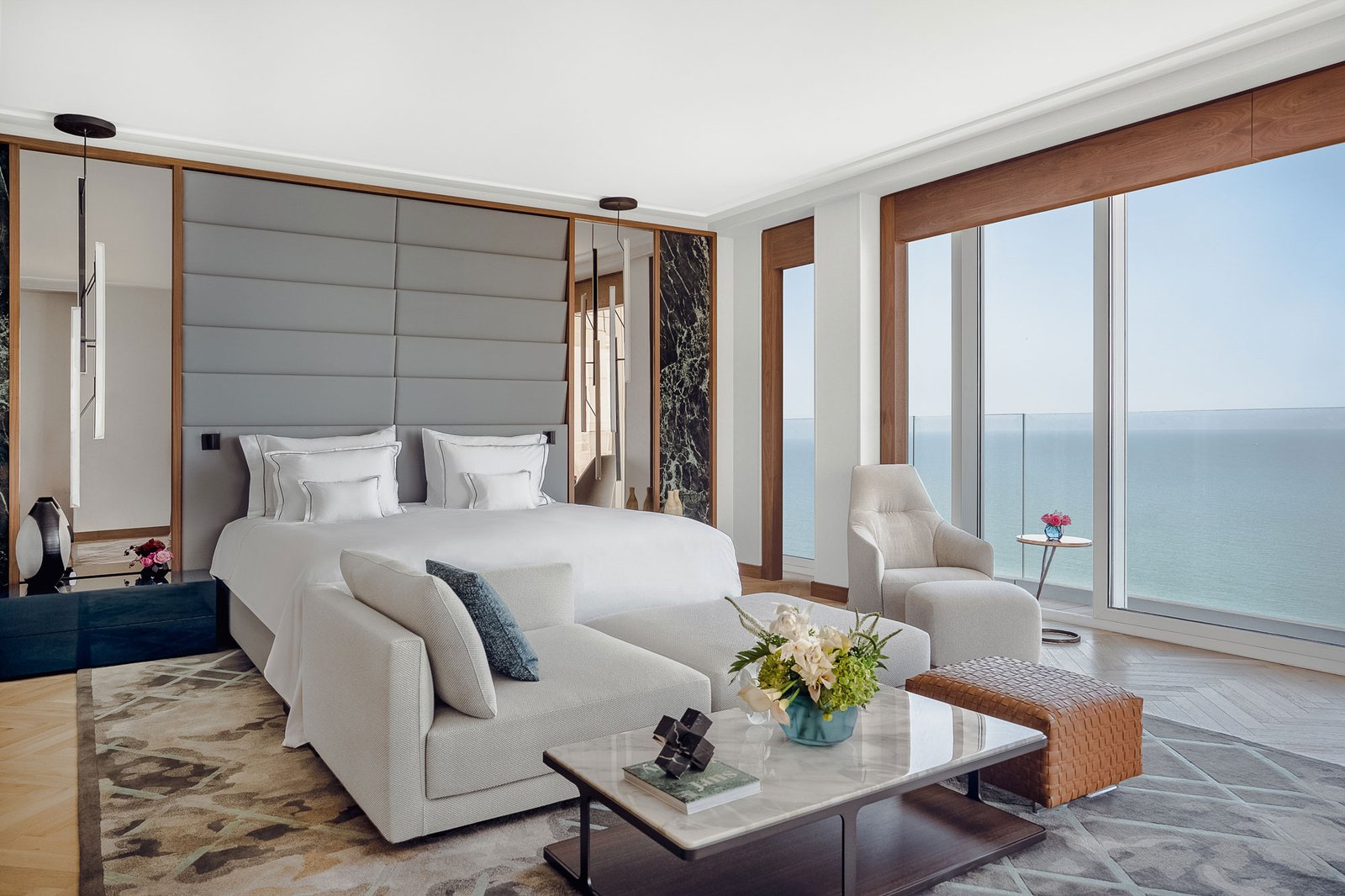
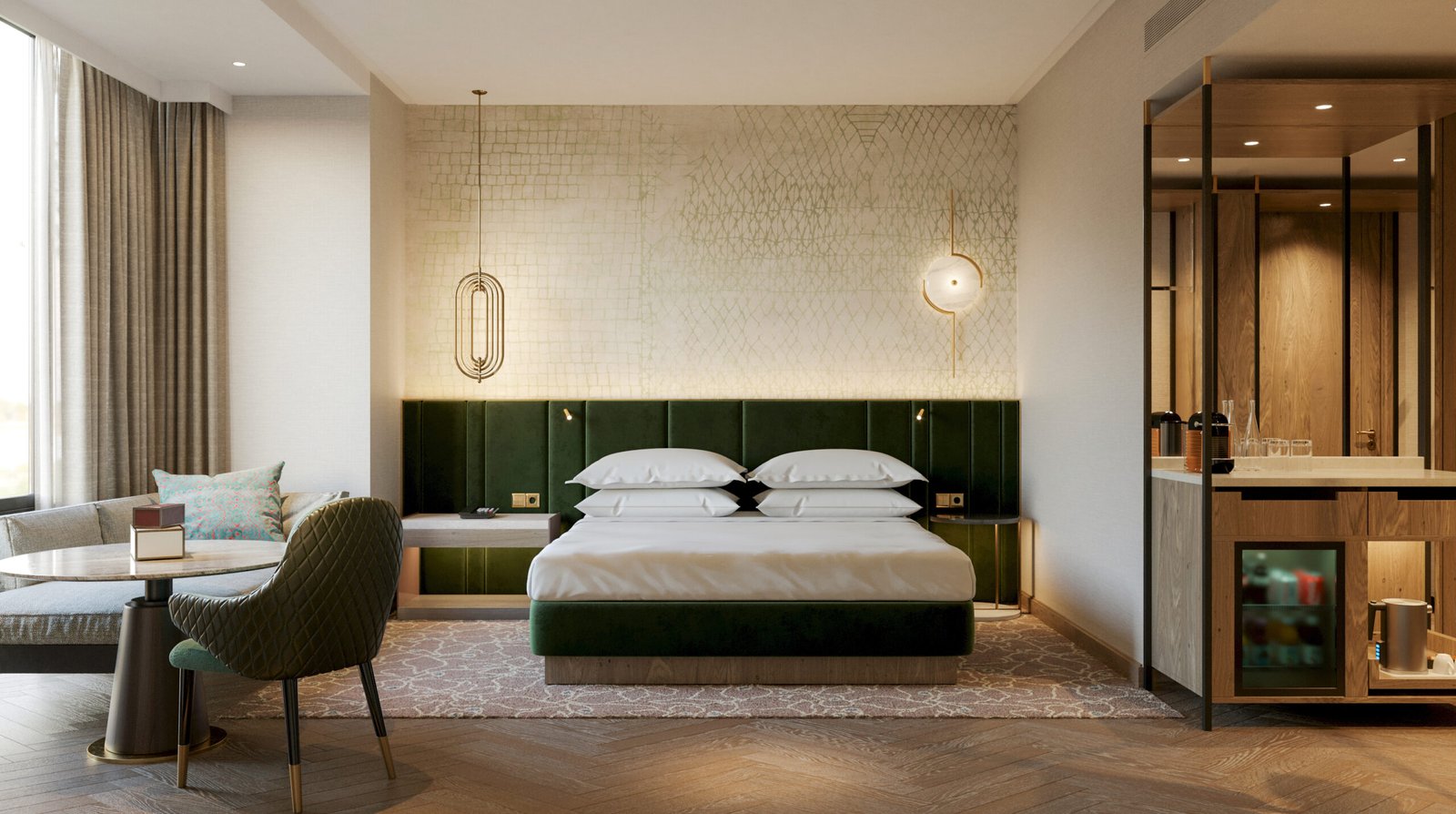
The David Kempinski Tel Aviv called for a unique design language, one that could converse fluently between the city’s Bauhaus legacy and the expectations of luxury hospitality. The challenge lay in interpreting the city’s architectural identity while introducing a fresh, elevated sensibility. Programmatically, the project spans 250 guest rooms, including 56 suites and a three-floor penthouse, alongside signature venues: Sereia Lounge, Sereia Restaurant, The Common Restaurant, Cigar Lounge, Horizon Lounge, Spa, Public Pool Bar, and a grand Ballroom, all orchestrated to deliver an experiential, Mediterranean-infused hospitality narrative.
The Concept
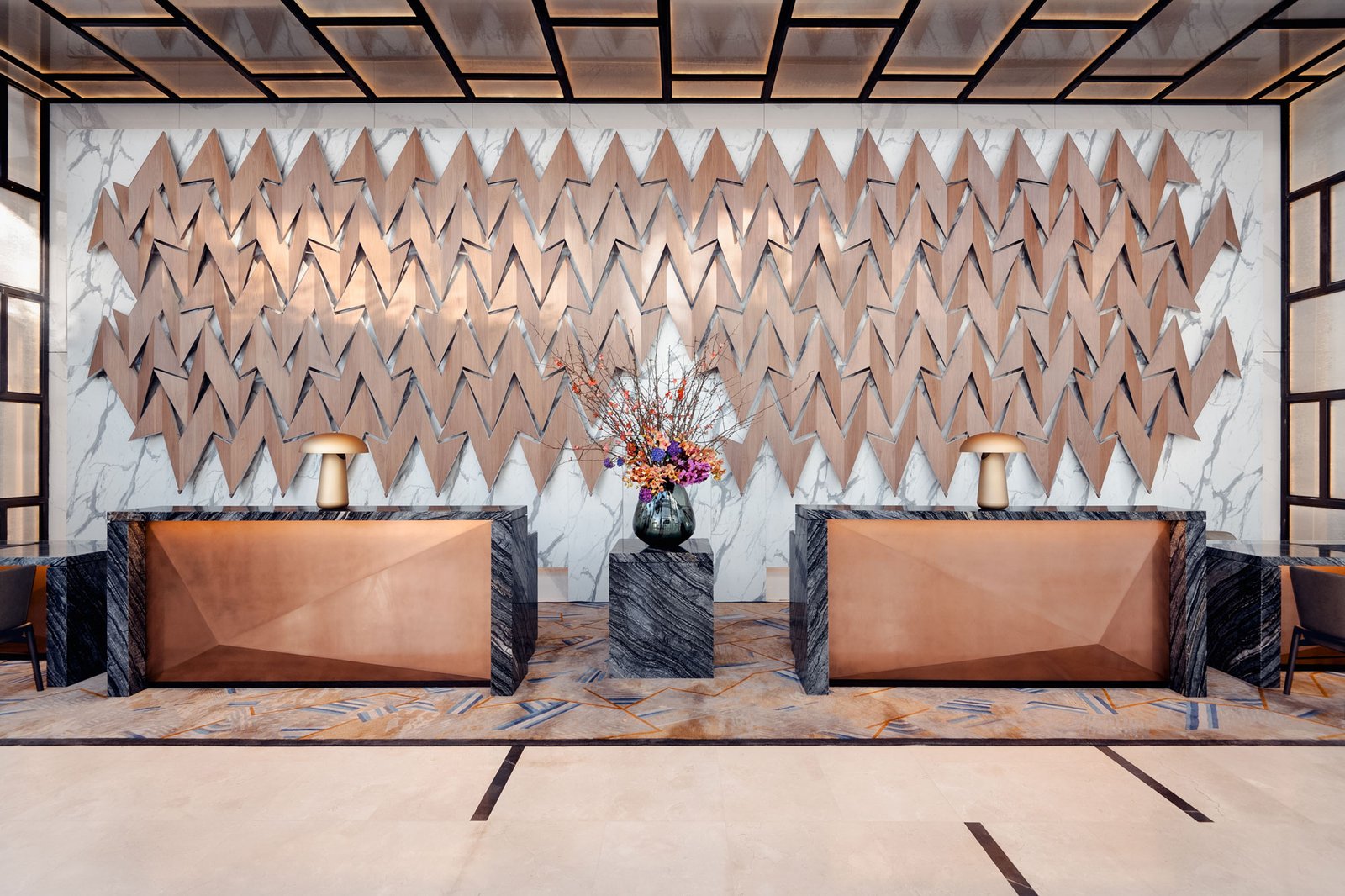
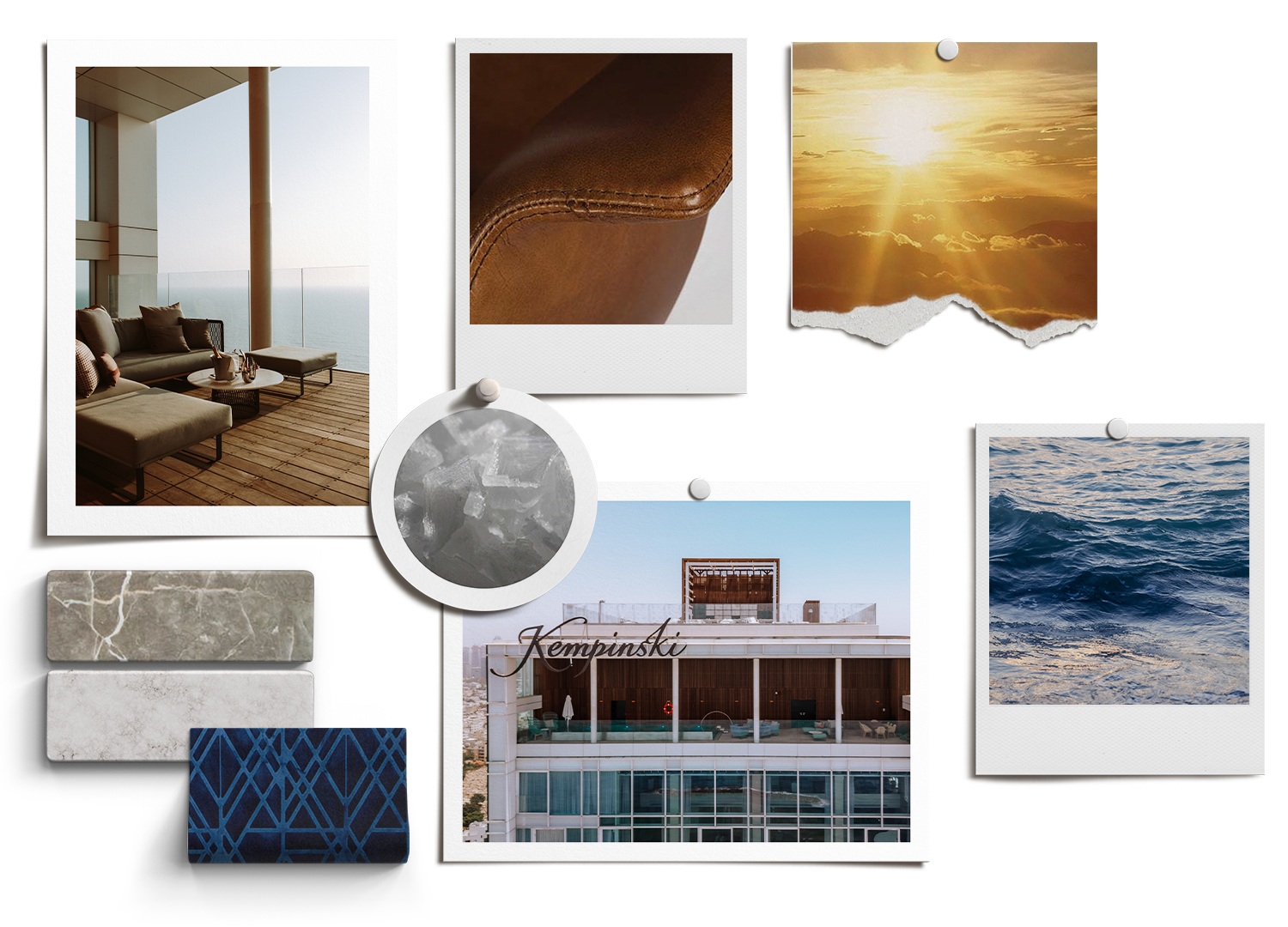
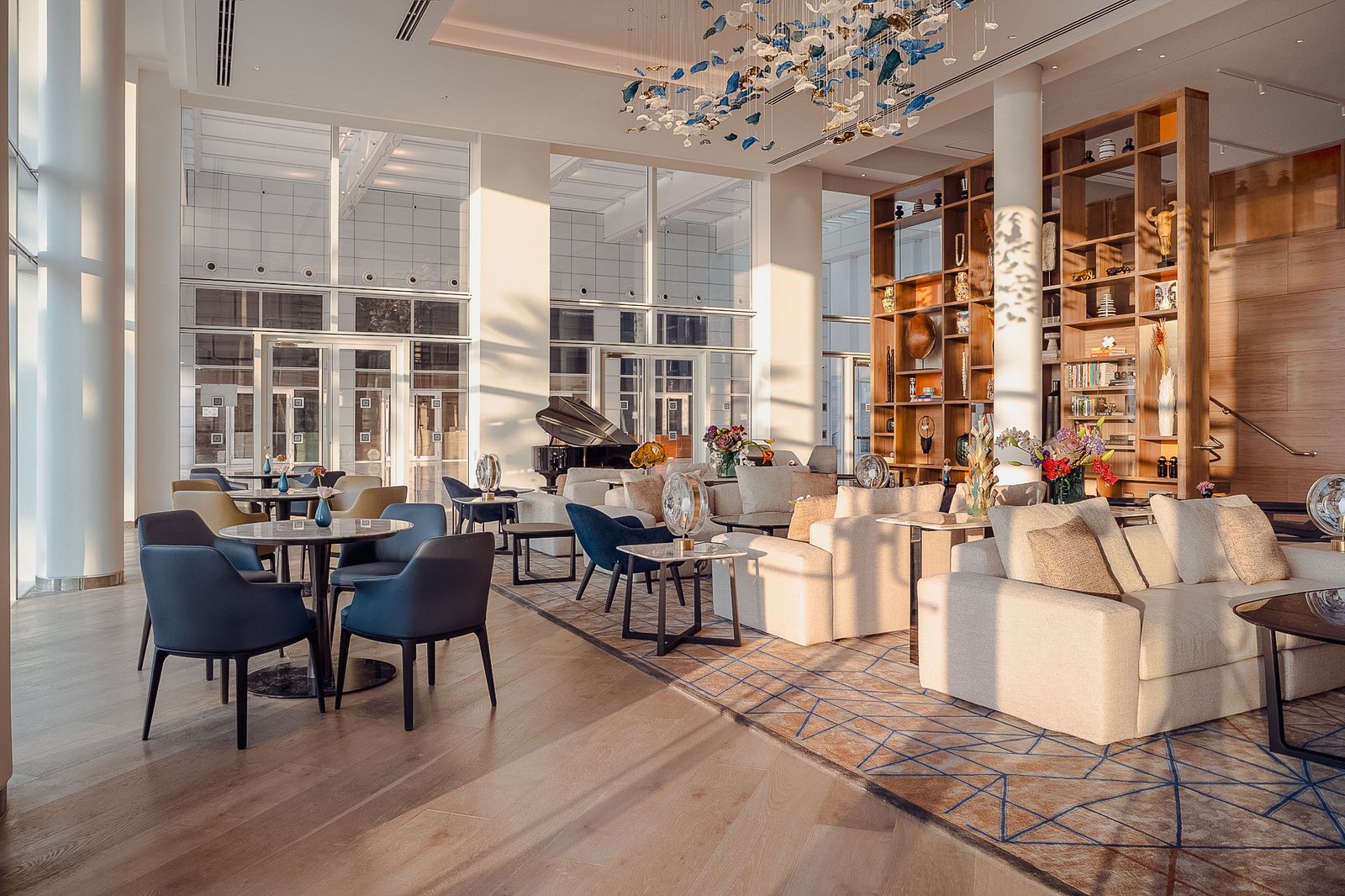
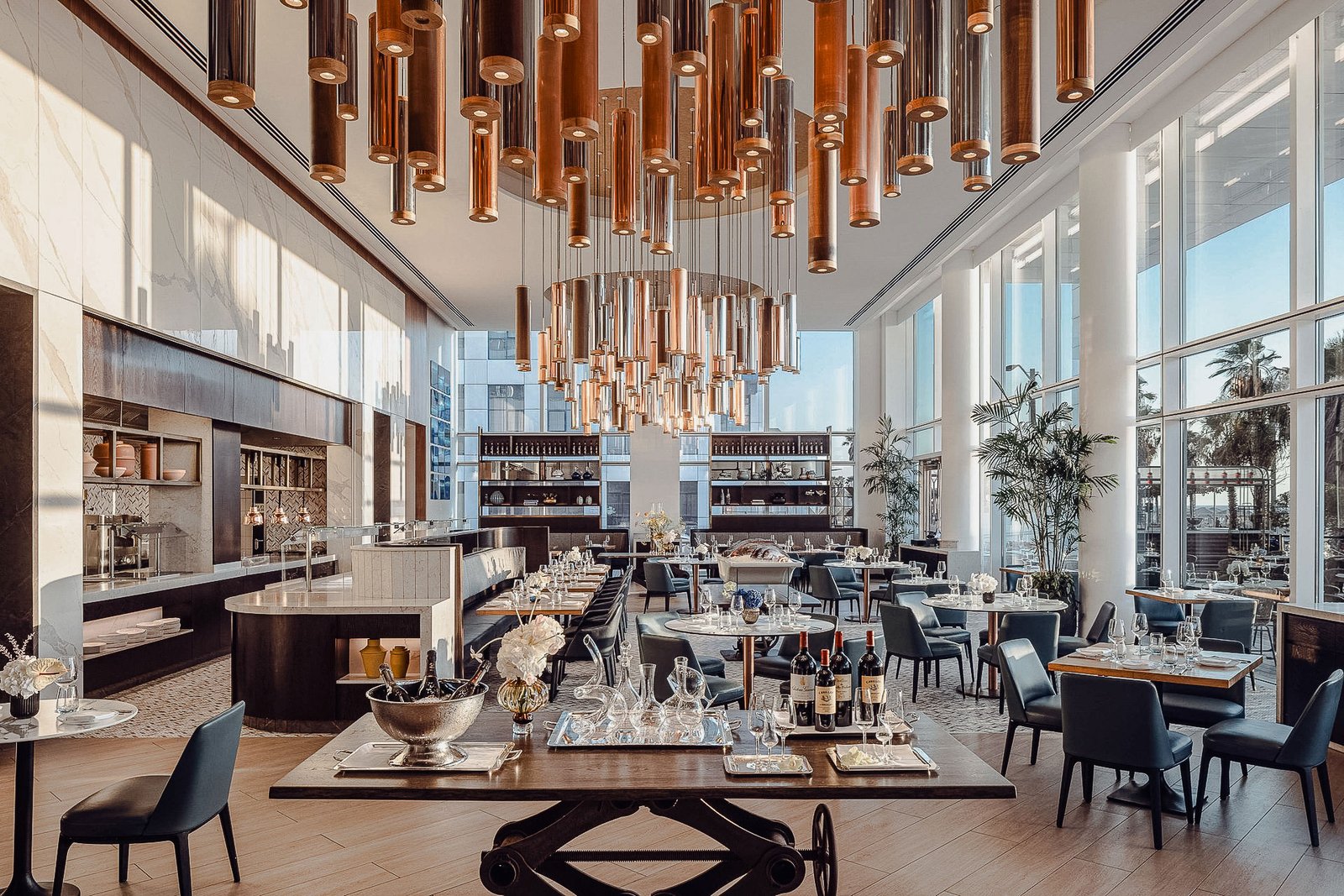
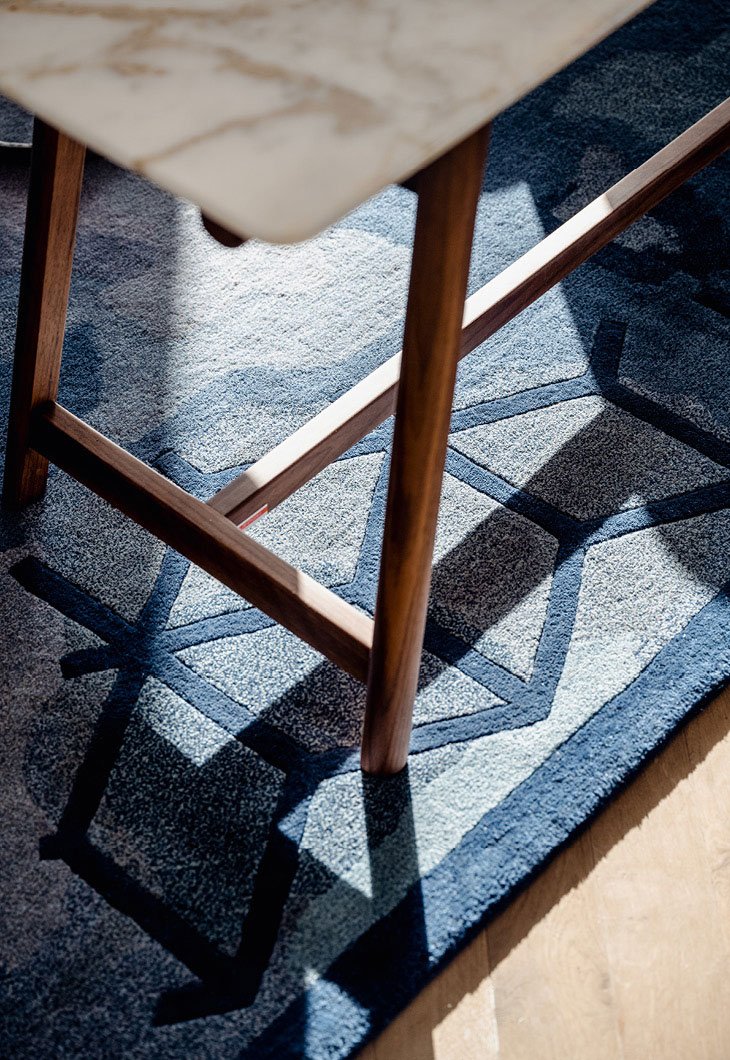
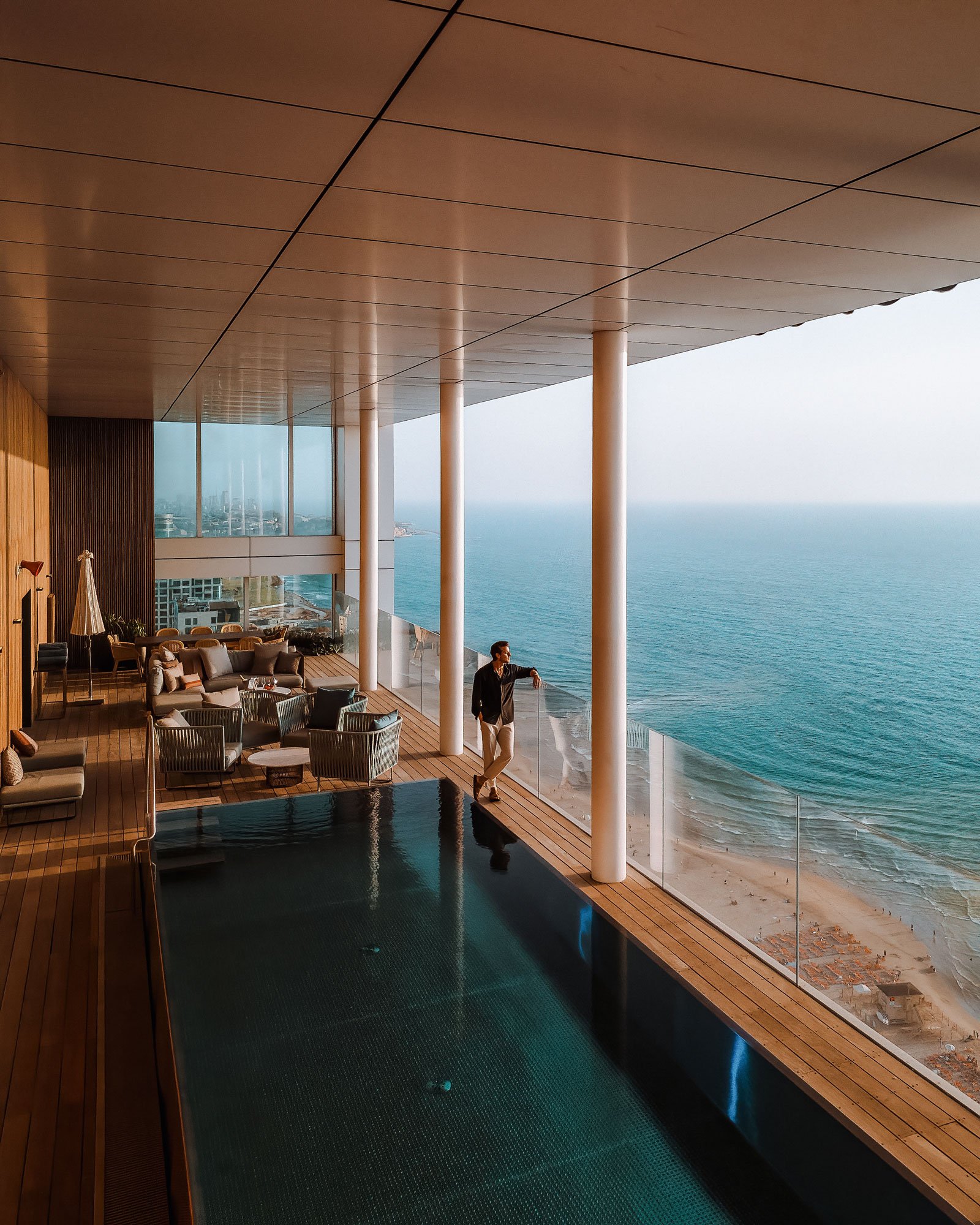
The design concept takes cues from the hotel’s prime position between the glittering Mediterranean Sea and Tel Aviv’s charming, UNESCO-listed White City. Clean lines, strict geometry, and an absence of ornament nod to Bauhaus principles, while a palette of blue wave tones, golden sunset accents, and natural textures evokes the coastal setting. Expansive sea views and interiors inspired by the sun, sea, and local markets combine to position The David Kempinski as an icon of experiential hospitality.
The Highlight
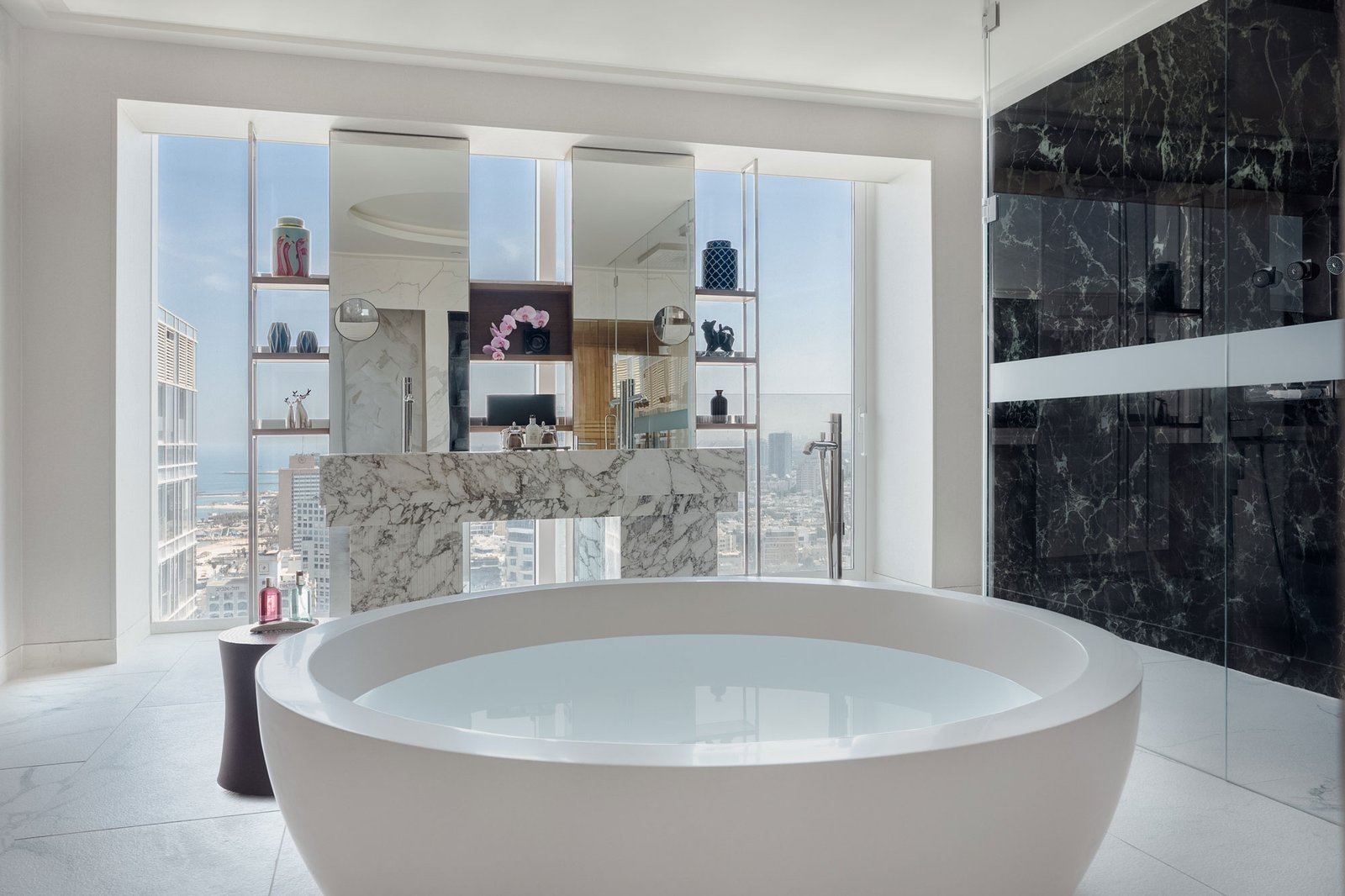
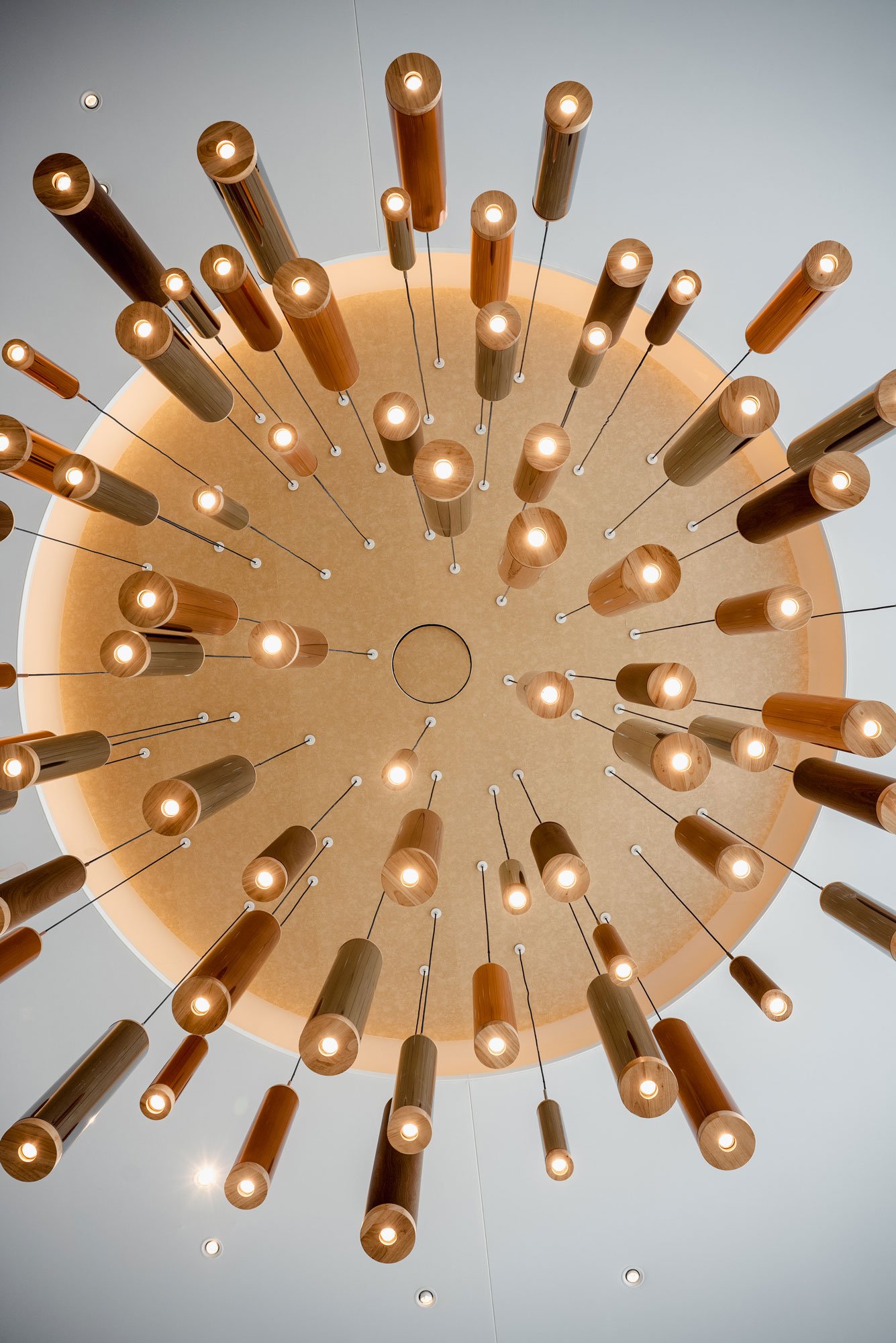
One of the project’s defining moments was the collaboration with local makers, where material palette and hand-finished details became integral to the design language. The most prominent collaboration was with Lasvit, who crafted chandeliers throughout the property, infusing the interiors with a sense of light and artistry. We also partnered with Poliform and Flexform for the furniture, achieving a refined, contemporary aesthetic, and worked with LCD (Belgium) to incorporate their distinctive copper mesh fabric as a panel and screen feature between the restaurant and lounge. For the large wall tiles with a Carrara marble effect, Laminam brought both elegance and durability to the space. This focus on materiality and creative partnership not only shaped the visual identity of the interiors but also gave the project its distinct sense of character and place.
The Result
The completed design channels the spirit of Bauhaus, with form following function, geometric clarity, and purposeful simplicity, while adapting these modernist ideals to present-day Tel Aviv. Across 250 guestrooms, including 56 suites, a three-floor penthouse, and a suite of public venues, the interiors embody modern Mediterranean aesthetics. The result is a cohesive and sophisticated hospitality destination that honours Tel Aviv’s Bauhaus heritage while defining a new era of seaside elegance.
“Positioned between the Mediterranean and the White City, the design draws equally from sea and history, weaving Bauhaus geometry with coastal textures to craft an experience as fluid as the shoreline itself.”
Related projects
quarter
Padma Hotel Semarang
Padma Semarang reimagines the urban resort as a dialogue between heritage and modernity.