A Tapestry of Traditions

At studio ara, we see every project as an adventure, but our latest with Padma Semarang stands apart, taking us on a journey through history itself. If the name sounds familiar, it’s because we’ve worked with the Padma brand before.

Together, we’ve brought to life the serenity of Ubud, the vibrancy of Legian, and the refined elegance of Karawang. What has mattered most in each project is not only the design itself, but the experiences that capture the spirit of place.

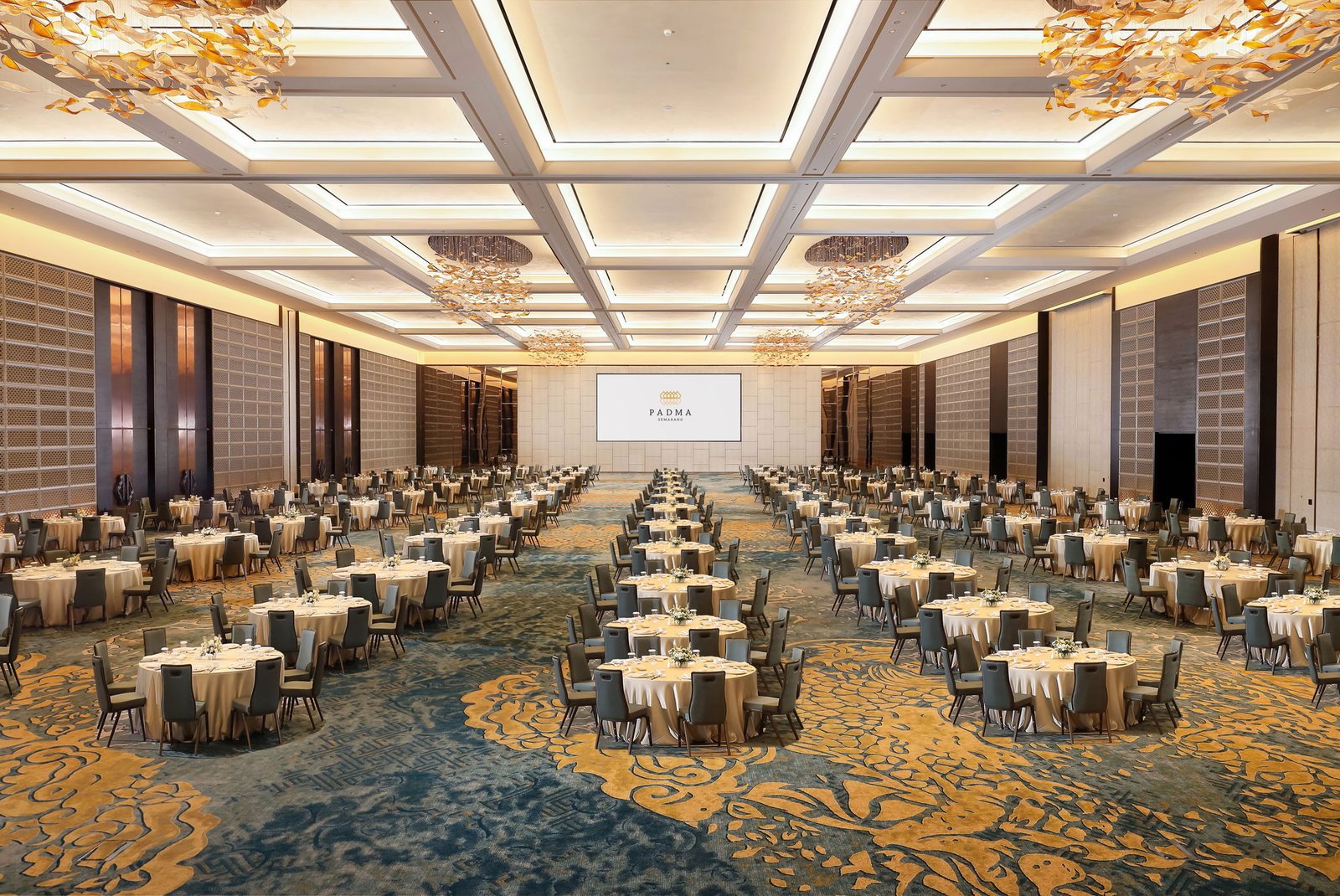
For Padma Semarang, we imagined a design like a giant puzzle, where each piece reflects an element of the city’s rich cultural past and its vibrant present. Our role was to bring those pieces together into a story worth telling.

That story unfolds in a city layered with influences: Chinese, Dutch, Arab, and Javanese, each leaving behind architectural, cultural, and artistic traces that continue to shape Semarang’s identity today.


Inspired by Semarang’s Unique Past

Semarang is a city where heritage is visible at every turn. The Chinese temples of Gang Lombok, Dutch colonial buildings like Lawang Sewu, and the Arab quarter of Kauman all reveal a rich mix of styles and traditions. Rather than simply referencing these influences, we wanted the design to listen to them, to allow these layers of history to guide how the spaces would feel.

The architectural blueprint was drawn by the visionary team at DP Architects Singapore, who laid the foundation for a design that seamlessly integrates Semarang’s historical character with the demands of a modern resort. Their vision was brought to life by Lineamarca Dinamika, a dedicated Indonesian firm whose attention to craft and precision ensured that every detail carried both beauty and meaning.

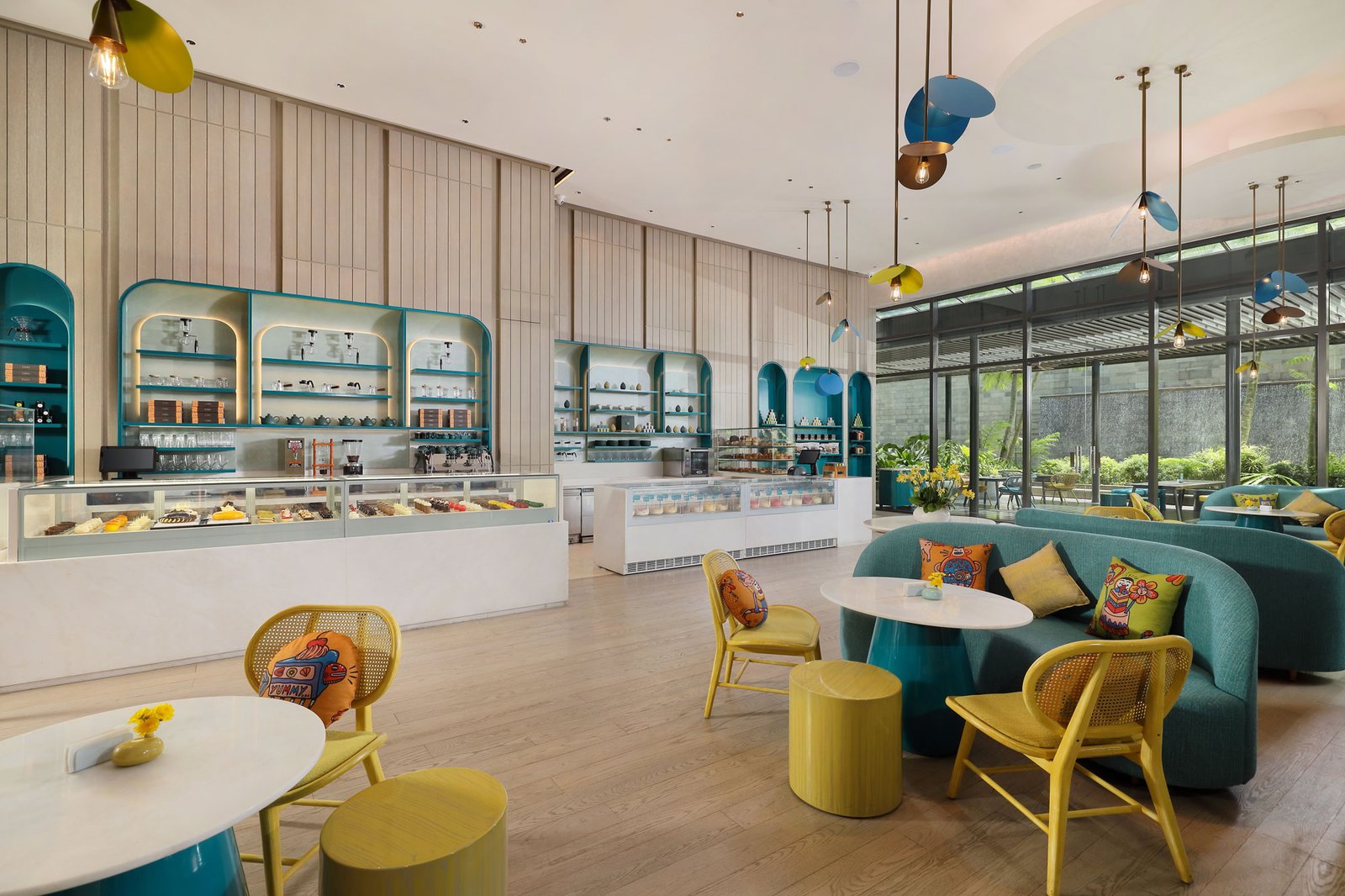
Our role at studio ara was to weave these contributions together into a living narrative. From spaces that welcome daylight with carved wooden screens to courtyards where indoor and outdoor meet as one, the design celebrates Central Java while offering a universal sense of comfort and belonging.

Celebrating Local Culture

We believe design gains depth when the hands and voices of others are placed at its heart. For Padma Semarang, that meant working closely with local artists, craftspeople, and communities whose traditions give Semarang its unique texture.

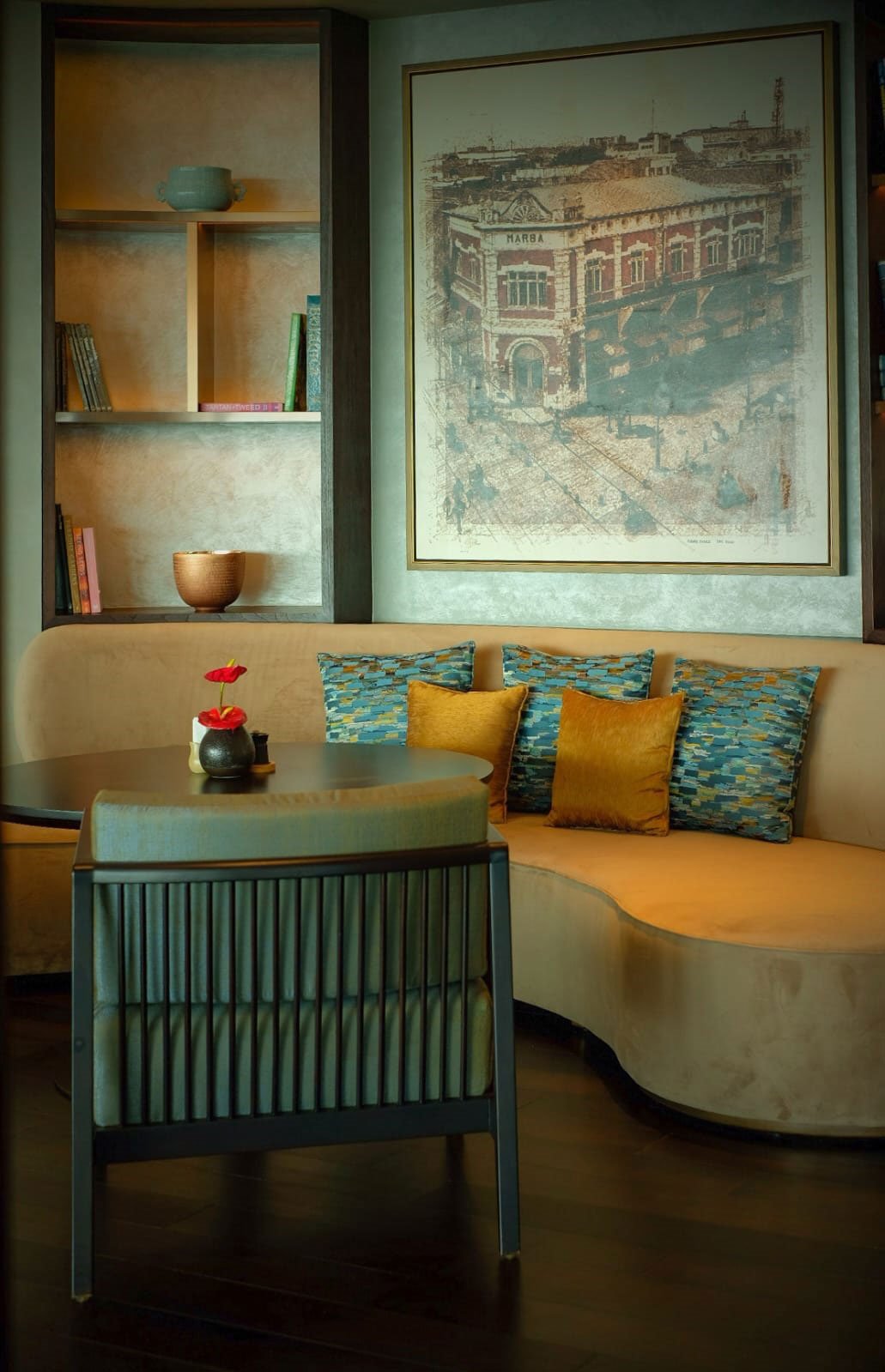
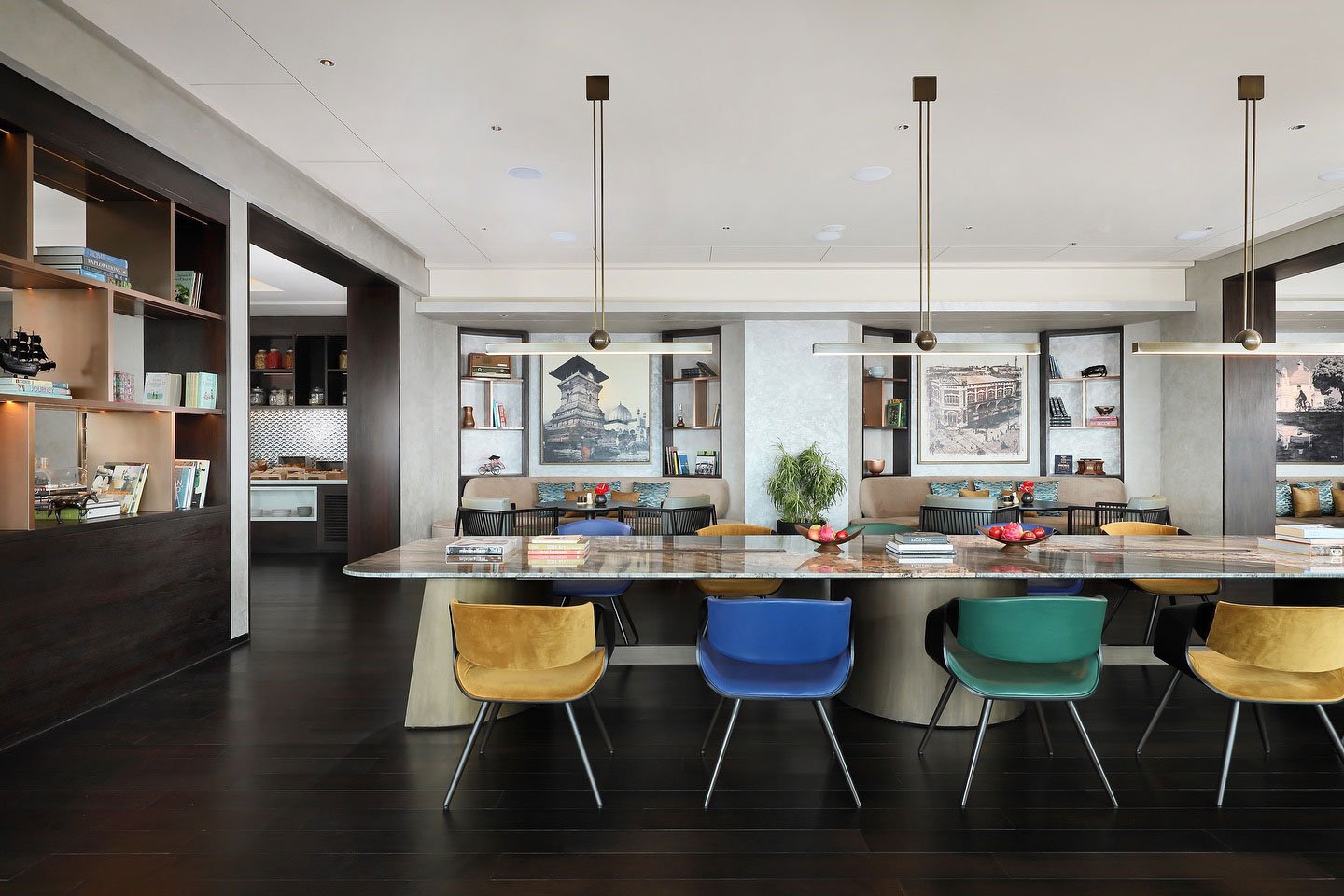
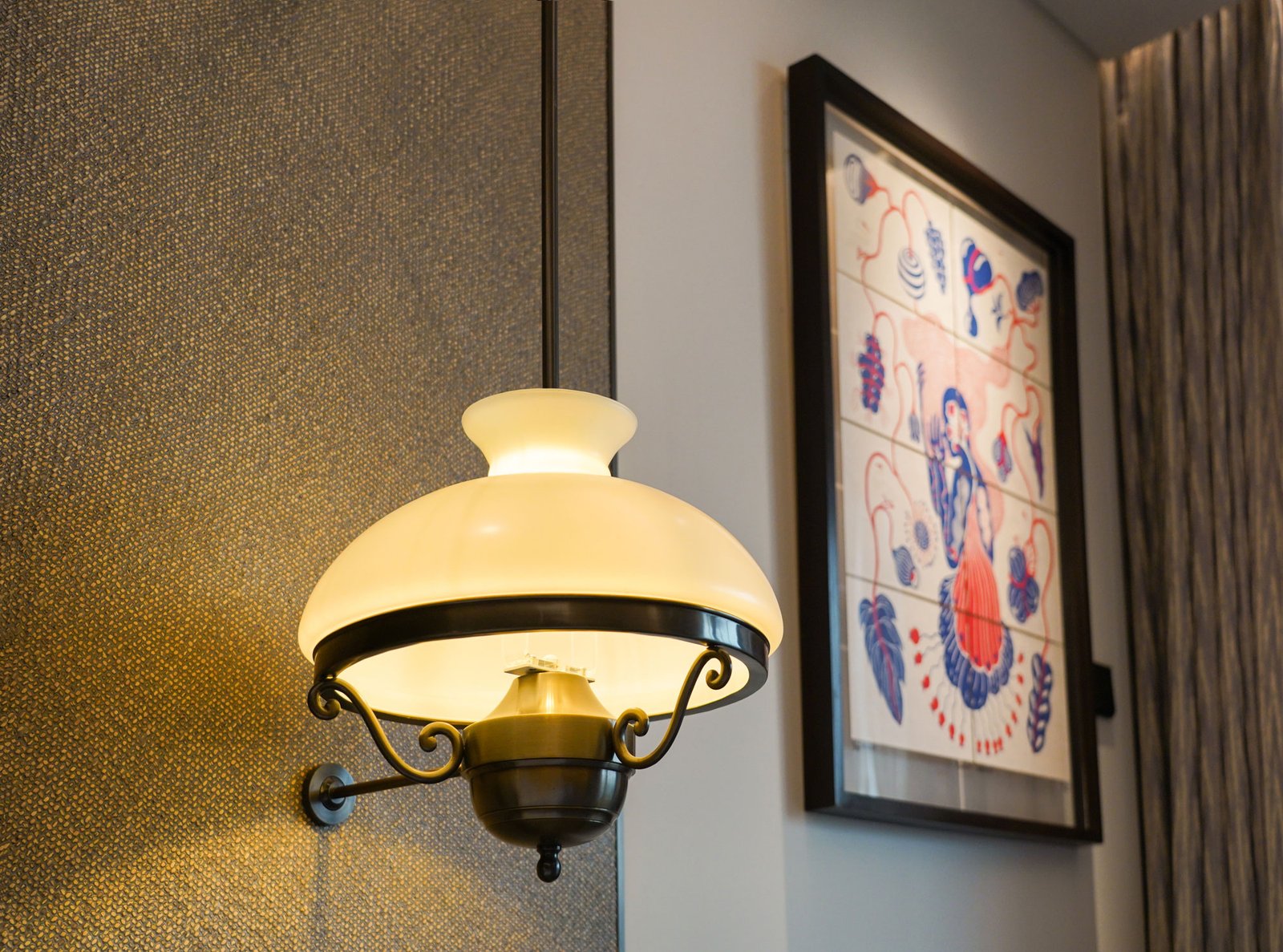
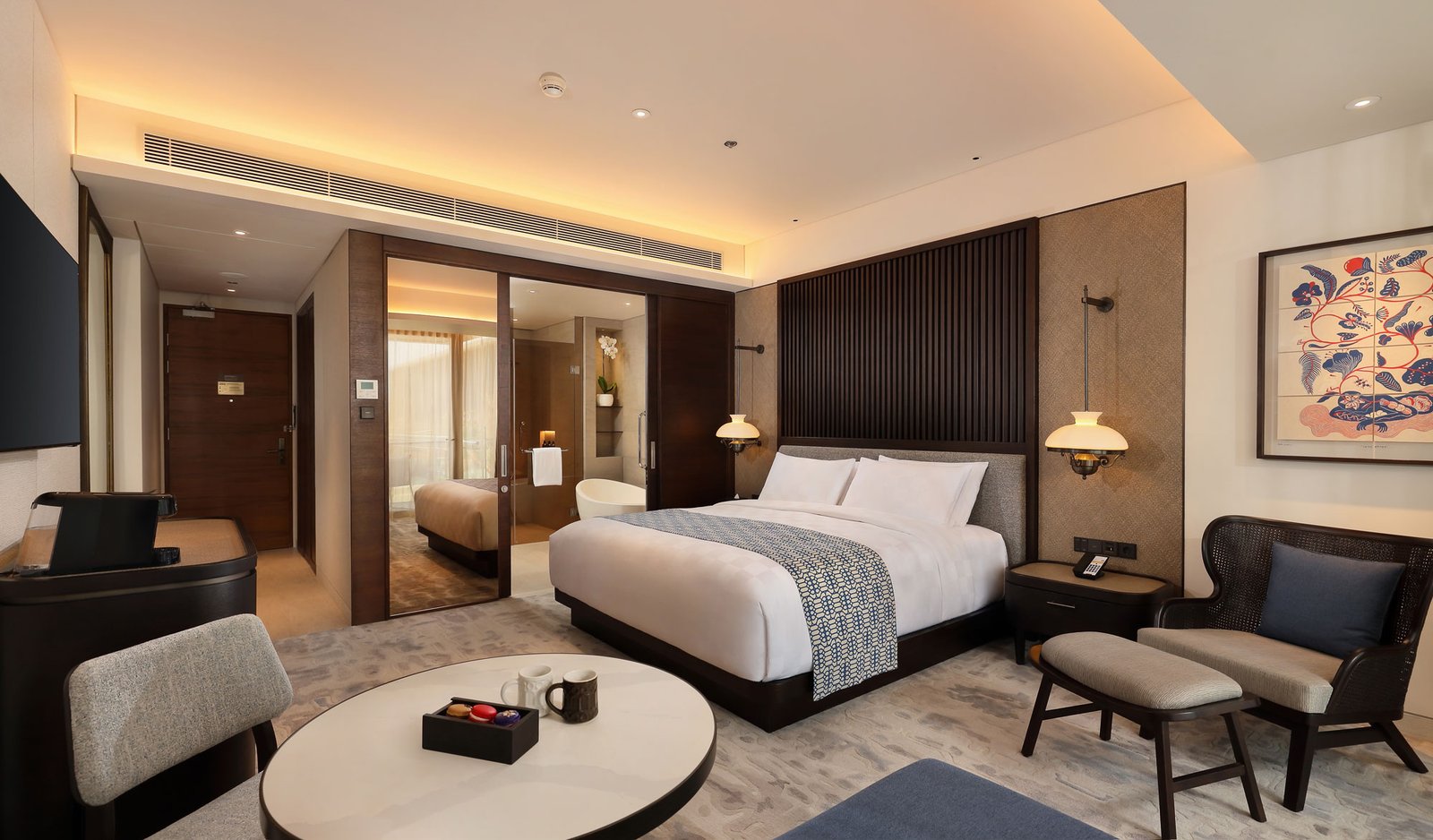
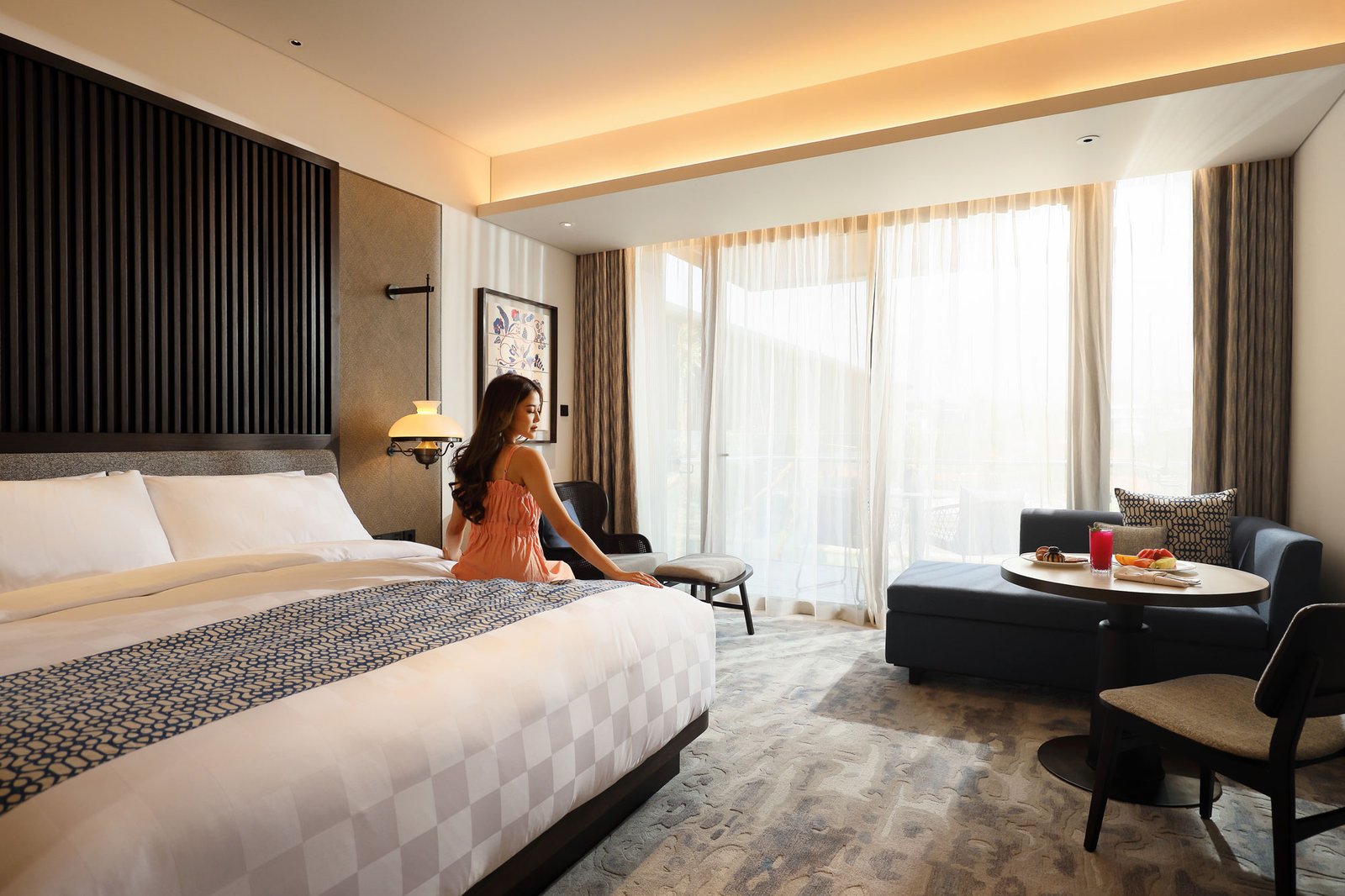
Furniture, artworks, rugs, and textiles were sourced and commissioned not just for aesthetics, but because they embody the artistry of local craftspeople. By doing so, the project became a way to support cultural continuity and highlight voices often overlooked in large-scale design projects.

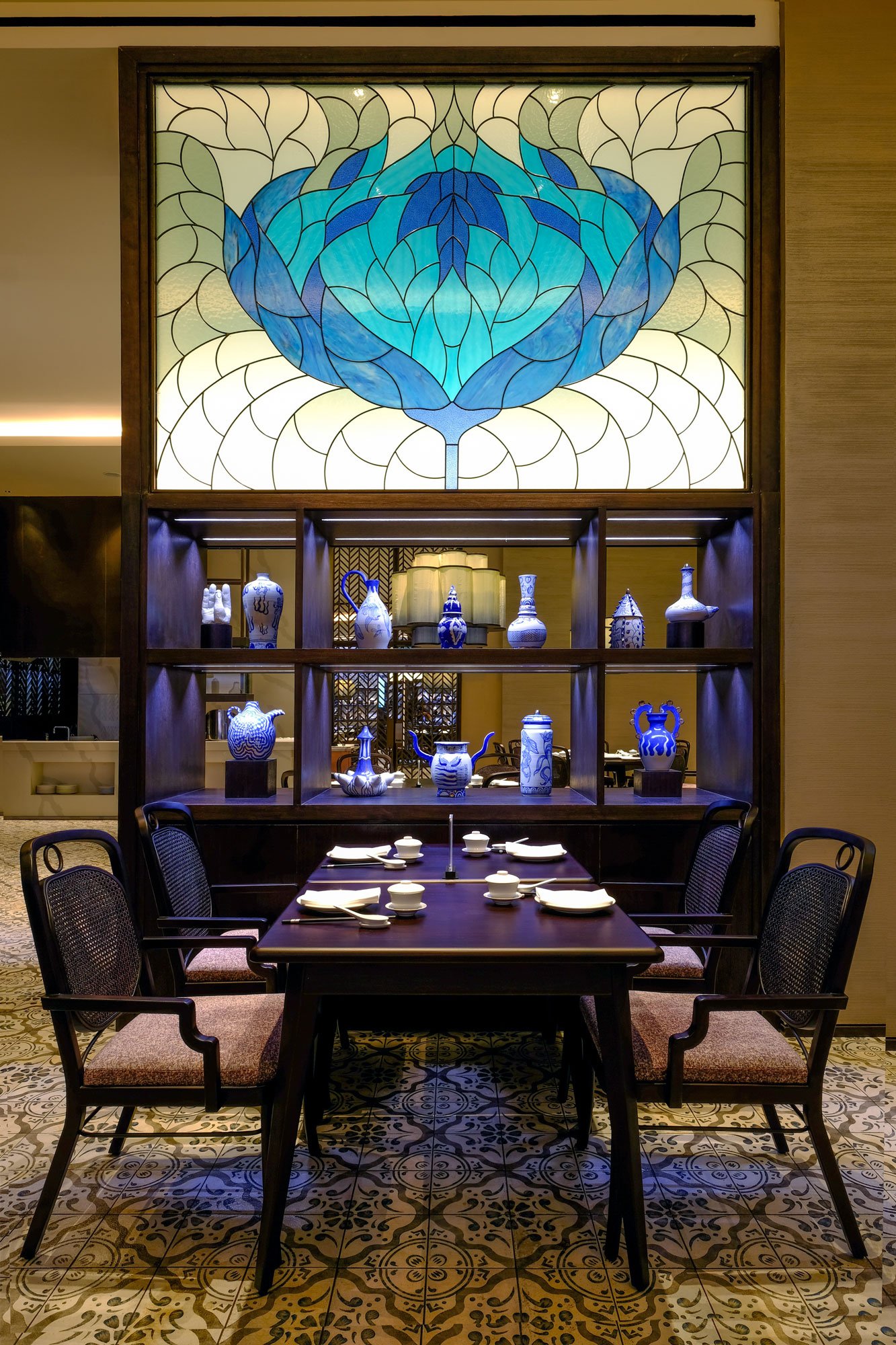
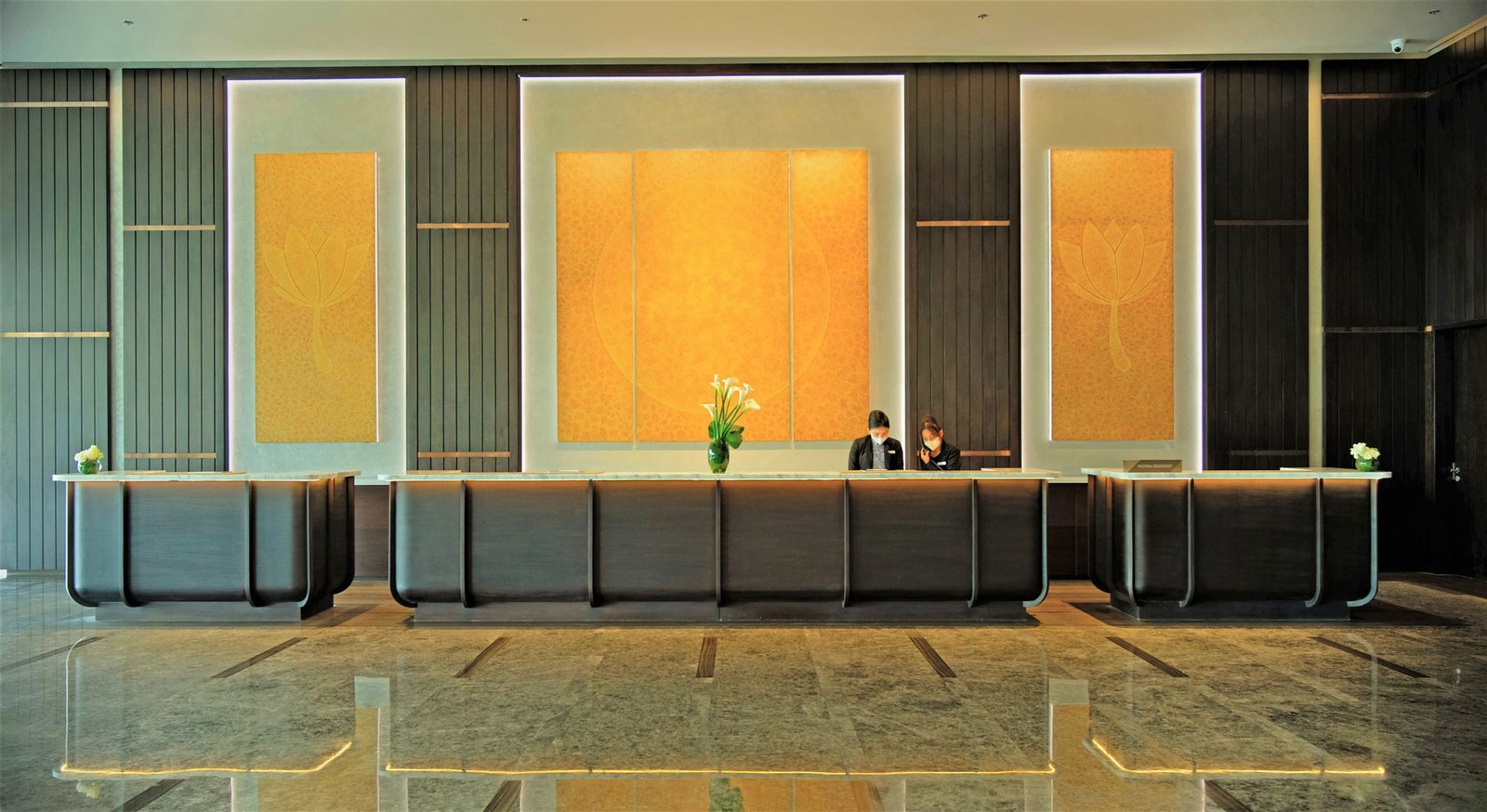
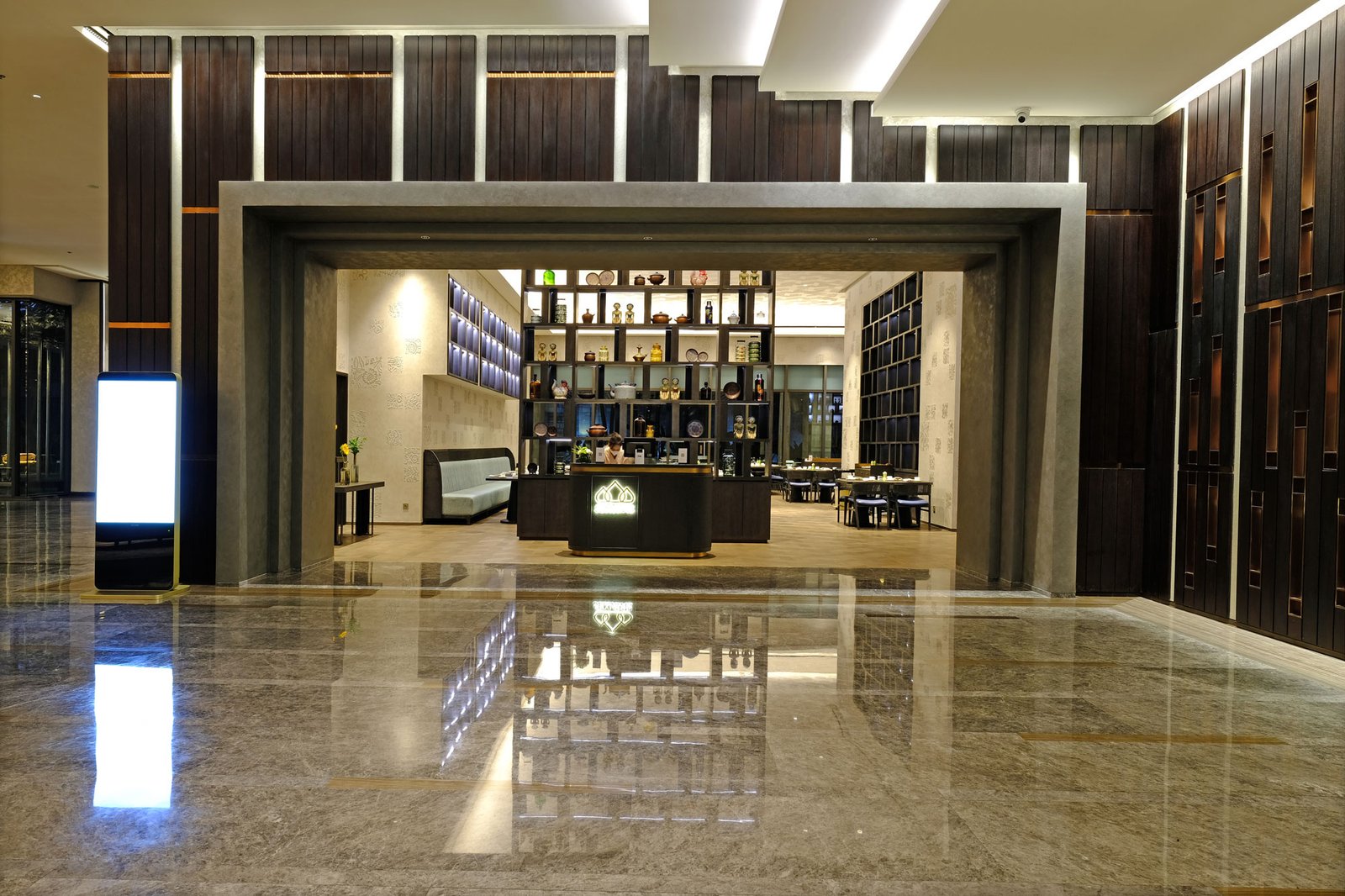
Artists like Yani Mariani Sastranegara and Budi Agung Kuswara added vibrancy through their works, while Angki Purbandono introduced the innovative medium of scanography, turning the ordinary into the extraordinary. In the reception area, a powerful piece by I Wayan Agus Noviato draws inspiration from the Borobudur Temple, a UNESCO World Heritage Site and a profound symbol of Indonesia’s cultural identity. His use of the lotus motif, representing purity in Buddhist tradition, ties Semarang’s story to a larger spiritual and cultural tapestry.

These collaborations are reminders that design is never created in isolation. It is enriched when artists, craftspeople, and communities are given space to leave their mark.


Materials and Textures that Tell Stories

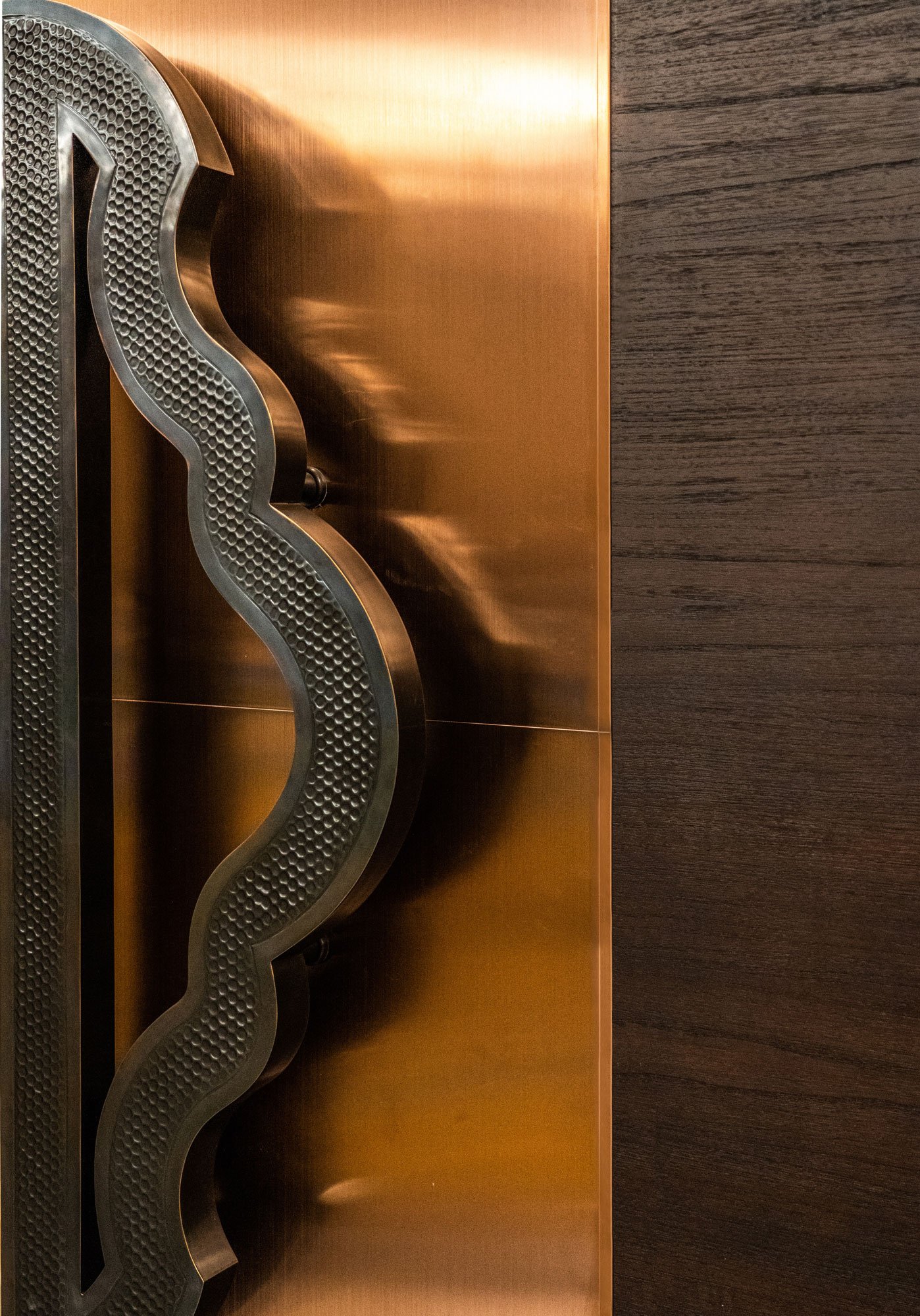
Beyond form and function, materials carry memory. Each texture, each tone is a storyteller in its own right. For Padma Semarang, we prioritized local materials not just for their beauty but for their connection to the land and community.

Stone, wood, and textiles sourced from the region bring familiarity and authenticity to the design, while supporting local sustainability. The way sunlight filters through hand-carved wood, or the touch of natural fibers in the lounge spaces, gives guests an immediate sense of place.

By honoring materiality in this way, the design becomes more than a backdrop, it becomes part of the lived experience of the city itself.
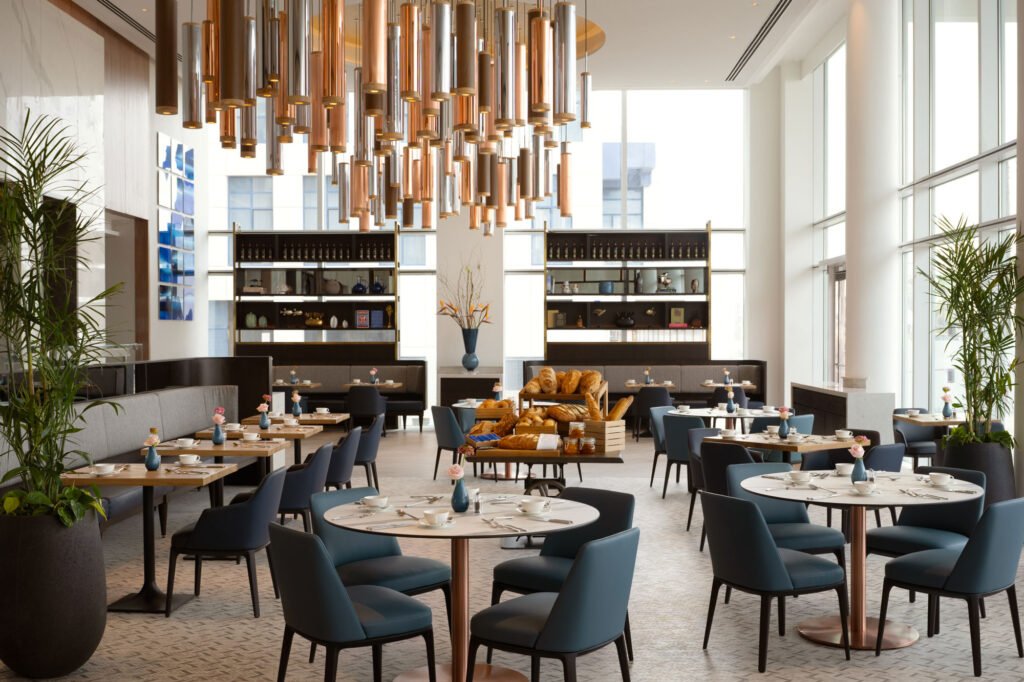

A Sanctuary of Past and Present

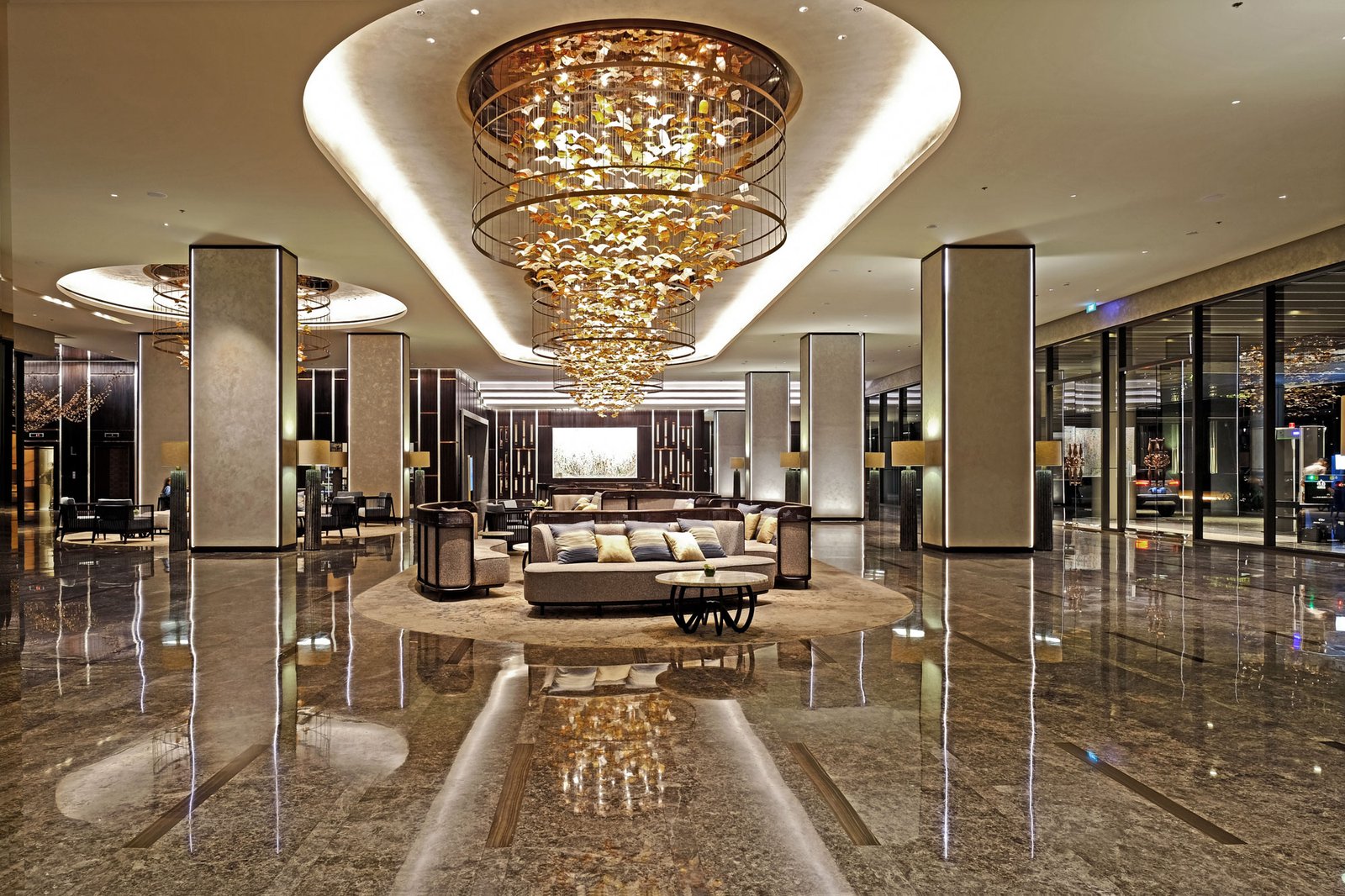
The result of this collective effort is an urban sanctuary that reflects both Semarang’s heritage and its contemporary energy. It is a place where history feels alive, not static; where tradition and innovation meet naturally. Guests are invited to stay and feel a sense of connection, to the city, to the culture, and to the people whose stories are embedded in every corner.

At studio ara, we see creativity as a means of dialogue; between past and present, between global perspectives and local wisdom, between the built environment and the human spirit. Padma Semarang embodies this approach, showing how hospitality design can be both a reflection of heritage and a vibrant space for today’s world.


What’s Next

As we continue to collaborate with visionary architects, dedicated craftspeople, and passionate artists, our aim remains the same: to create spaces that respect the thread of the past while weaving it seamlessly into the fabric of the present.

Padma Semarang stands as a testament to what is possible when many hands, hearts, and histories come together. It reminds us that design is never just about buildings, it is about people, their cultures, and the timeless stories they carry forward.

Keep reading

The David Kempinski (Architectural Digest)

We are delighted to share some exciting news: the pages of Architectural Digest have showcased our most recent project at the David Kempinski Hotel in Tel Aviv, Israel.

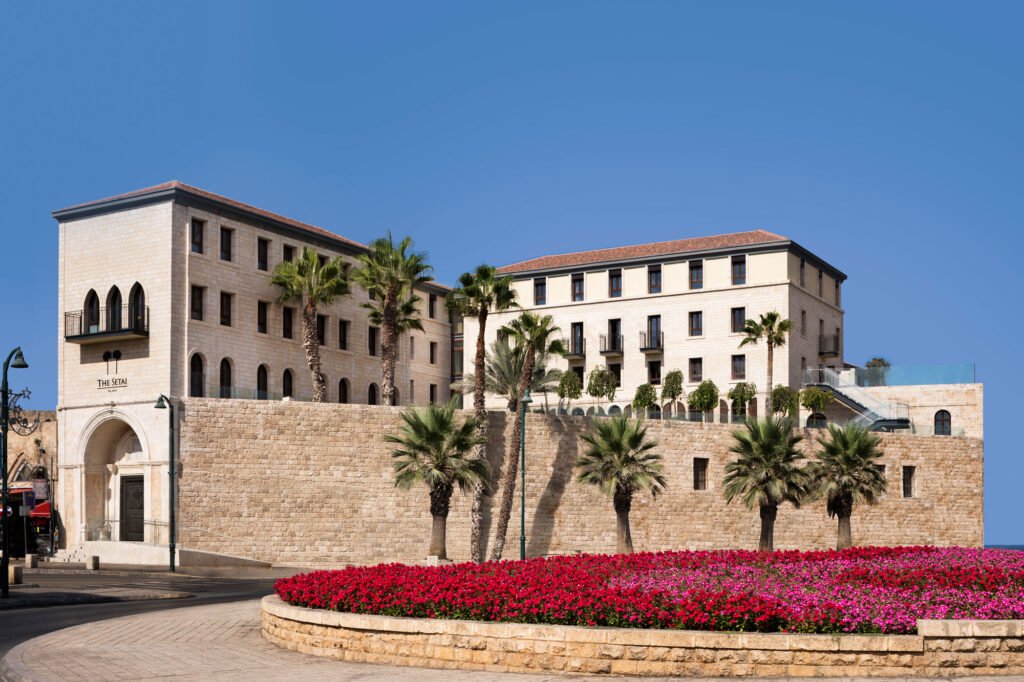
The Setai Tel Aviv

Adaptive Reuse and Heritage Preservation give new purpose to old structures, illuminating their potential in the modern world. In hospitality, it transforms historic buildings into unique hotels, marrying old-world charm with contemporary needs.

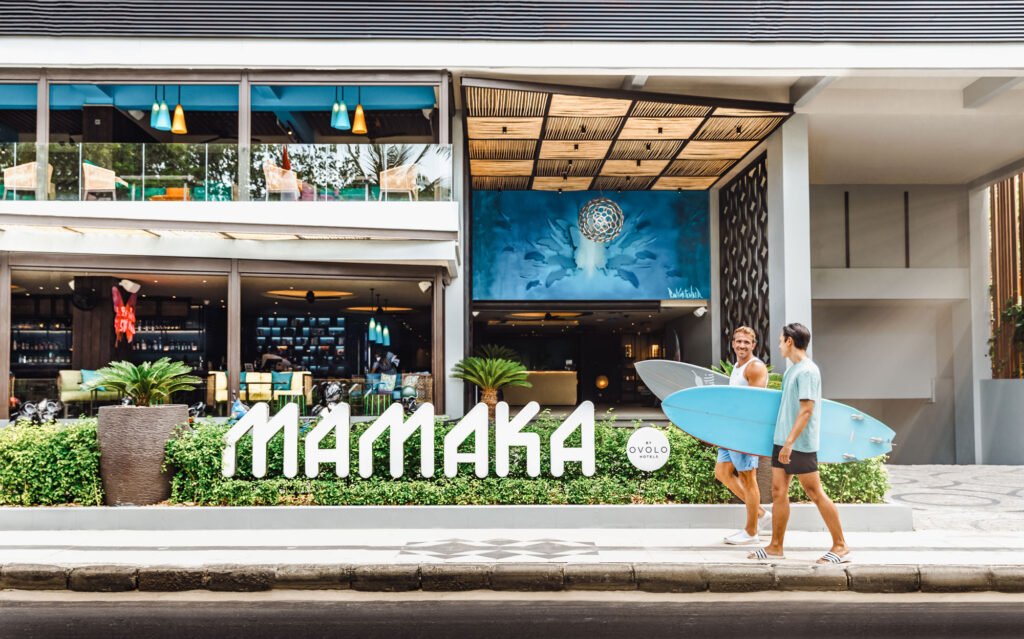
Mamaka by Ovolo

Bali’s Kuta Beach has always embraced transformation. Originating as a surfer’s paradise, it has witnessed many trends ebb and flow. And just when everyone thought Kuta might be left in the past, Mamaka by Ovolo enters as a reborn icon. Crafted by ara Design, it’s a fresh, lively addition that marries retro fun with the timeless spirit of Bali.